 Apr 21, 2026 - 0
Minutes read
Apr 21, 2026 - 0
Minutes read
TradingView Multi-Timeframe Analysis: A Smarter Way to Trade
Best Timeframe Combinations for Consistent Trading Results
Introduction
In today’s fast-moving financial markets, relying on a single timeframe is often not enough to make accurate trading decisions. This is where TradingView multi-timeframe analysis becomes a powerful strategy for traders aiming to improve consistency and precision. By analyzing the same asset across different timeframes, traders can gain a broader market perspective and make more informed decisions.
Multi-timeframe analysis involves studying higher, medium, and lower timeframes to align trading signals. Typically, traders start with a higher timeframe such as the daily or 4-hour chart to identify the overall trend. This helps determine whether the market is bullish, bearish, or ranging. Understanding the broader trend is essential because it provides context for all trading decisions.
Once the trend is identified, traders move to a medium timeframe, such as the 1-hour chart, to find potential trade setups. This timeframe helps refine entry zones and identify key support and resistance levels. It acts as a bridge between the macro trend and the precise execution level.
Finally, the lower timeframe, such as the 5-minute or 15-minute chart, is used for precise entry and exit points. This allows traders to optimize their risk-to-reward ratio and execute trades with better timing. By combining insights from multiple timeframes, traders can reduce false signals and increase the probability of successful trades.
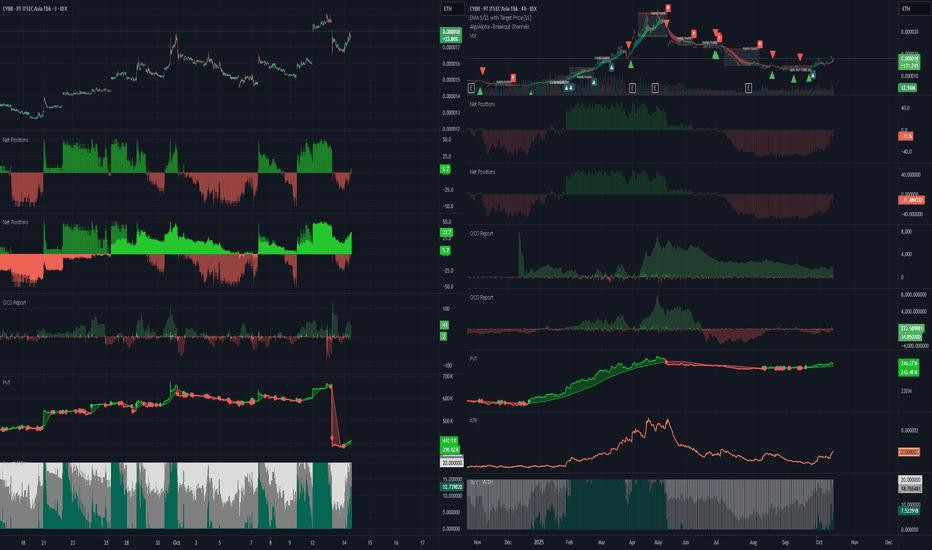
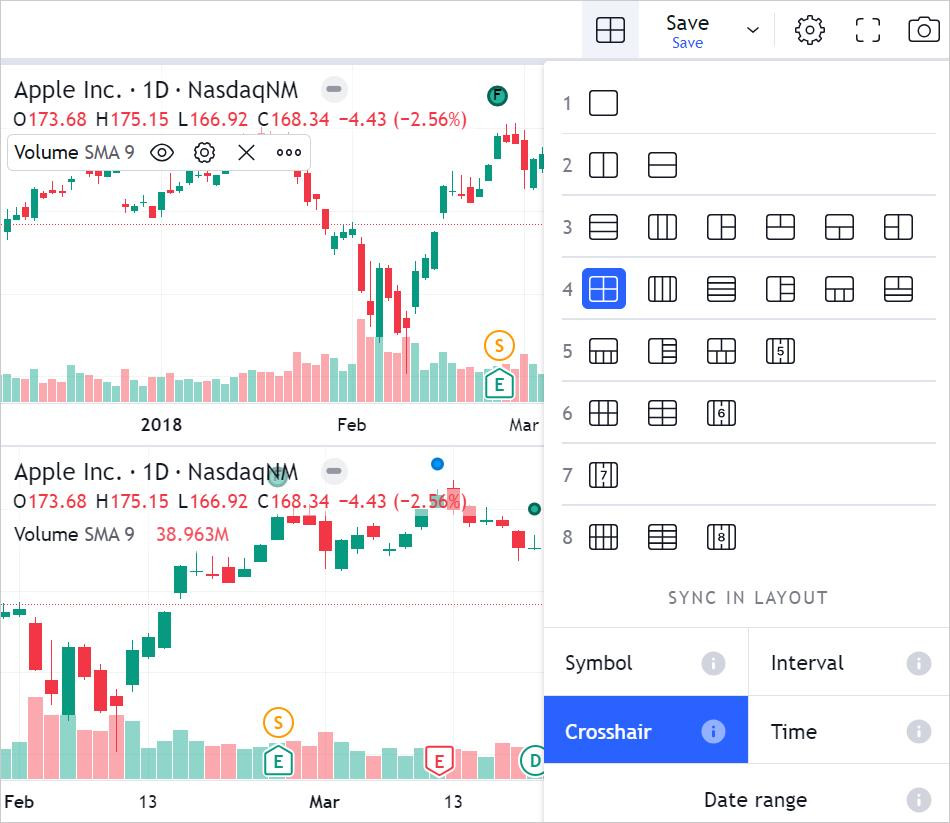
One of the key advantages of this approach is improved accuracy. When signals align across multiple timeframes, it creates stronger confirmation for a trade. This reduces the chances of entering trades based on weak or misleading signals. Additionally, it enhances risk management by allowing traders to place more strategic stop-loss and take-profit levels.
TradingView makes this process seamless with its user-friendly interface. Traders can easily switch between timeframes or even view multiple charts simultaneously. This flexibility allows for efficient analysis and faster decision-making, especially in volatile market conditions.
Another benefit is psychological confidence. When traders see confirmation across different timeframes, they are less likely to doubt their strategy. This leads to more disciplined trading and fewer emotional decisions, which is crucial for long-term success.
In conclusion, multi-timeframe analysis is a must-have skill for traders who want to elevate their performance. It provides a comprehensive market view, improves entry precision, and enhances overall trading discipline. By mastering this technique on TradingView, traders can significantly increase their chances of consistent profitability in any market condition.