 May 25, 2026 - 0
Minutes read
May 25, 2026 - 0
Minutes read
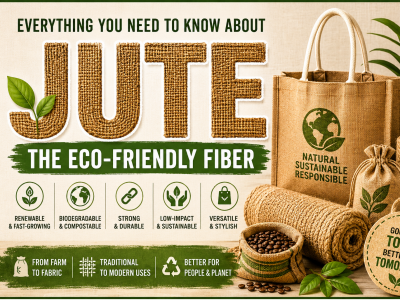
Everything You Need to Know About the Eco-Friendly Fiber.
Everything You Need to Know About the Eco-Friendly Fiber.
Eco-Friendly Fiber.
Jute is one of the world’s oldest natural fibers and a rising star in sustainable materials. Lightweight yet strong, biodegradable, and inexpensive to grow, jute is used in everything from sacks and ropes to home décor and fashion accessories. For businesses, designers, and eco-conscious consumers in the USA, jute presents an attractive combination of environmental promise and practical application. This deep-dive guide explains what jute is, how it’s grown and processed, its advantages and limitations, common uses, market trends, and how to choose and care for jute products.
What Is Jute?
Definition and botanical background
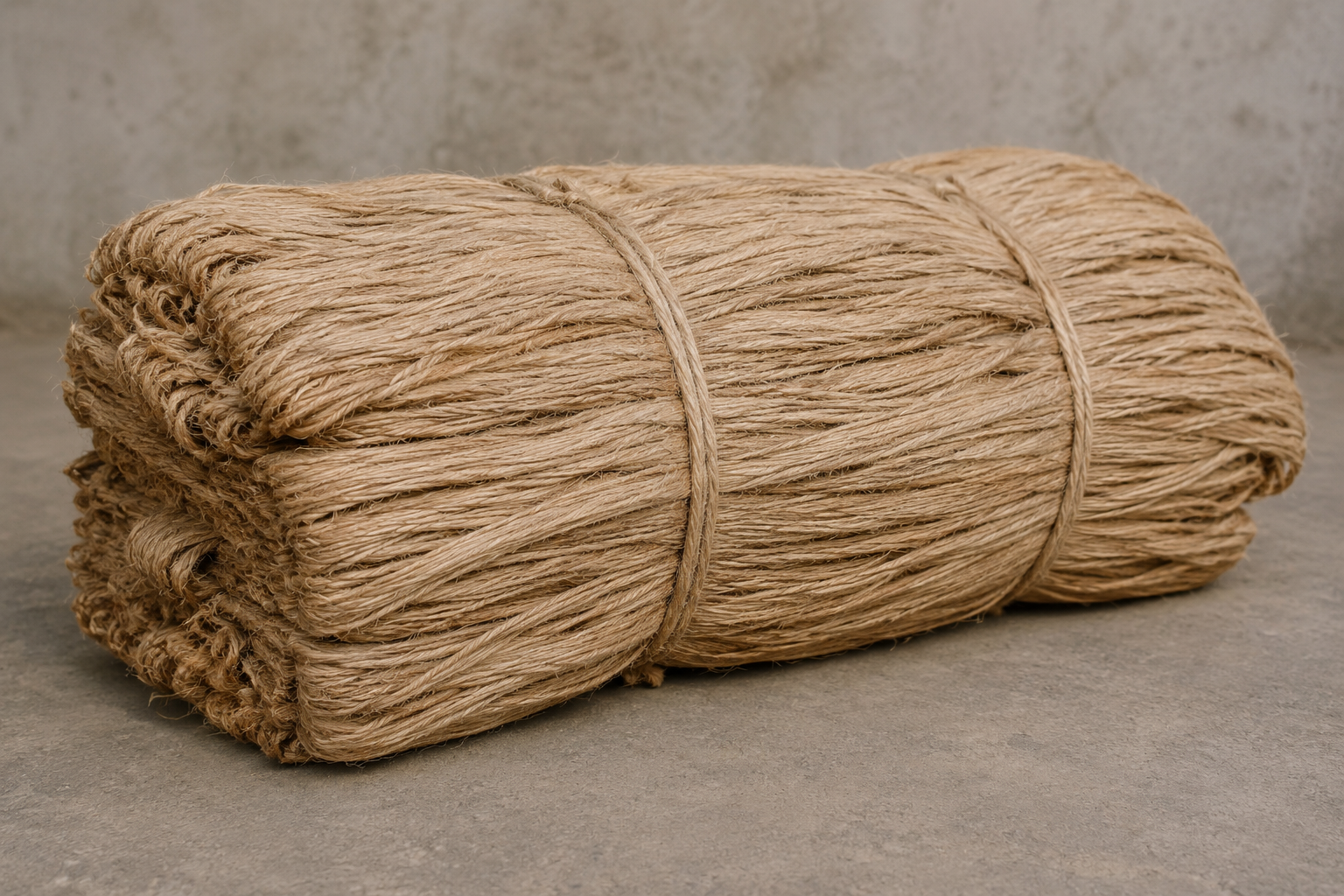
Jute is a bast fiber derived primarily from two species of the Corchorus genus: Corchorus olitorius and Corchorus capsularis. Bast fibers are the long, strong strands found in the inner bark of certain plants. Jute fibers are spun into yarn and woven or knitted into fabrics. Historically prominent in South and Southeast Asia—especially Bangladesh and India—jute has been nicknamed the “golden fiber” because of its golden-brown color and economic importance.
Physical and chemical properties
Jute fibers are long (1–4 meters in length in some cases), with high tensile strength, low extensibility, and good insulating properties. Chemically, jute consists of cellulose and lignin, which give it rigidity and durability but also make it less elastic and more coarse than cotton. Jute absorbs moisture easily and dries relatively slowly. These properties make jute ideal for products that require strength and breathability rather than soft hand-feel.
How Jute Is Grown
Climate and soil needs
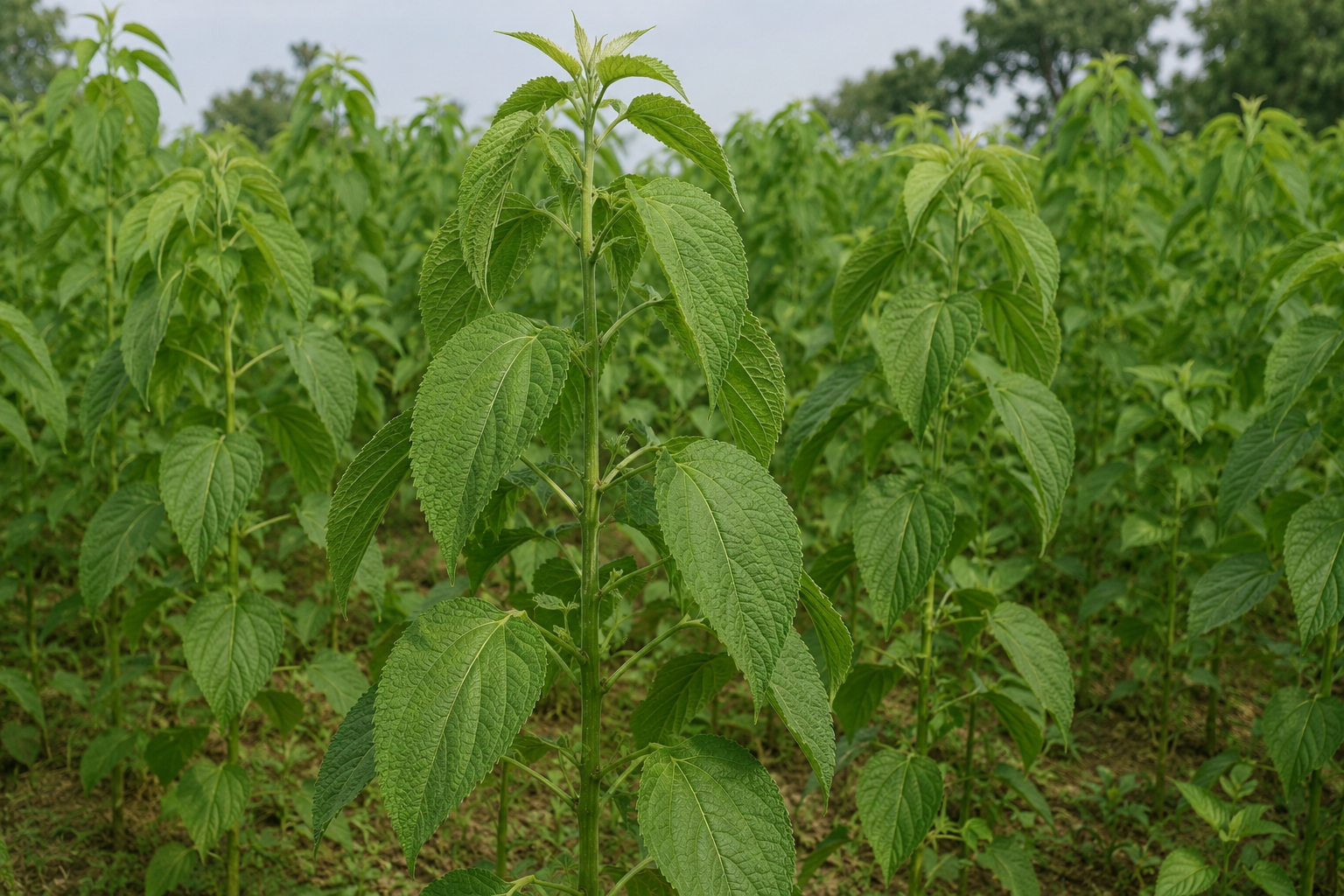
Jute thrives in warm, humid climates with plenty of rainfall—conditions commonly found in parts of South Asia. It prefers alluvial soil, moderate acidity to neutrality (pH 4.8–5.8 typically), and flat fields where waterlogging can occur without damaging plants.
Cultivation process
Jute is usually grown as a rainfed summer crop. Seeds are sown densely, and plants are allowed to grow for about 3–4 months. The crop requires minimal fertilizer compared with many industrial crops and benefits from organic residues and manures. Farmers often intercrop jute with rice or rotate it with other crops to maintain soil health.
Harvesting and retting
Once the plants reach maturity, they are harvested by cutting near the base. The key step in fiber extraction is retting: submerging the stalks in water to allow microbial action to break down pectins and separate fibers from the woody core. Retting can be done in ponds, slow-flowing rivers, or in controlled tanks. Timing and retting quality are critical: under-retted fibers are hard to extract, while over-retted fibers can lose strength and color.
Processing Jute into Fiber and Fabric
Stripping and washing
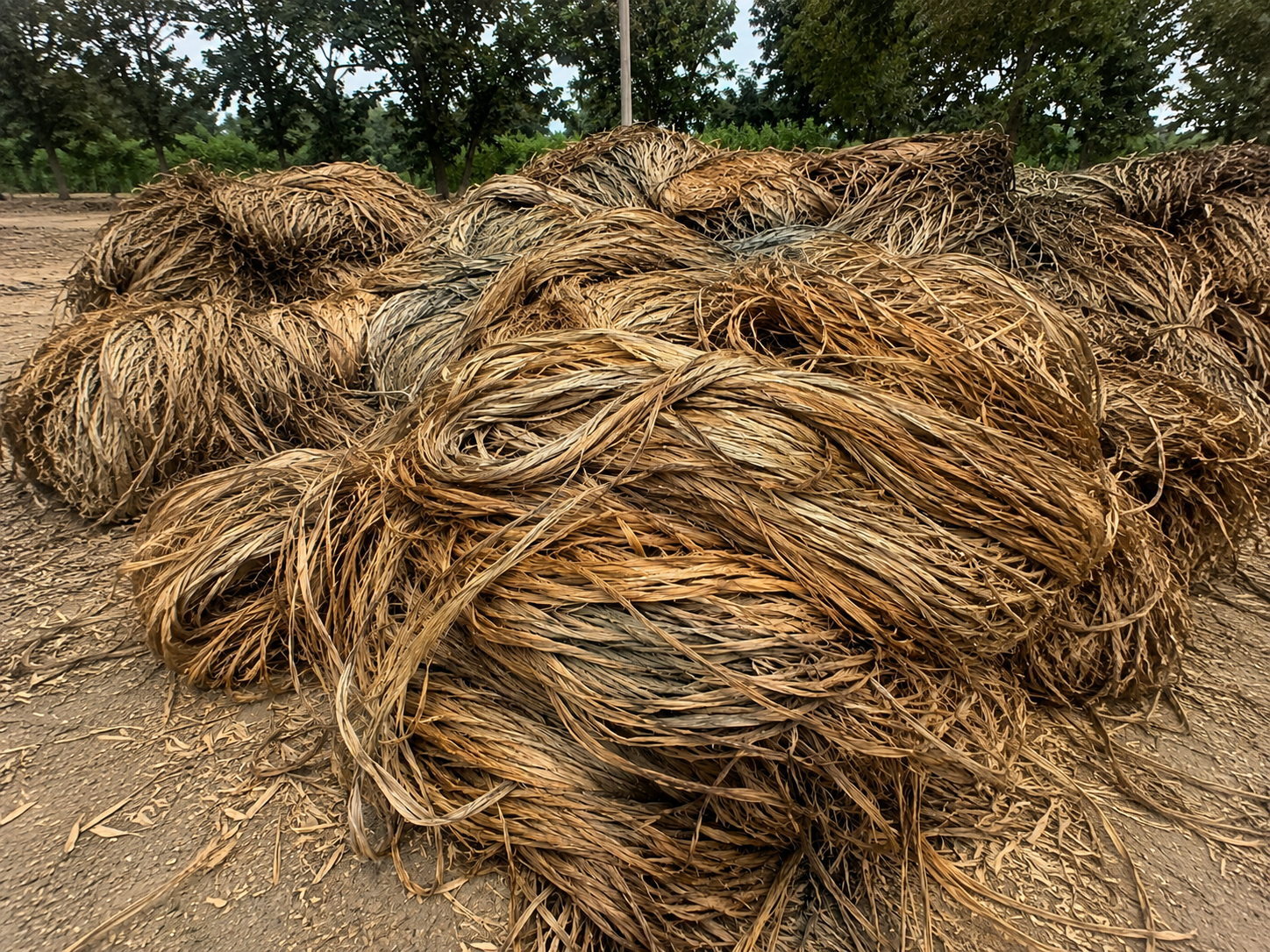
After retting, fibers are manually or mechanically stripped from the stalks, washed to remove impurities, and dried in the sun or by mechanical drying. This yields raw jute fiber, which can be further refined.
Spinning and weaving
Raw fibers are spun into yarn using carding and spinning machines. Yarn quality depends on fiber length and retting consistency. The yarn is then woven into hessian (burlap), sacking, carpet backing, and other fabrics. Advances in textile technology have also enabled blending jute with cotton, silk, or synthetic fibers for softer, more versatile fabrics.
Finishing and treatments
Jute can be dyed, bleached, coated, or laminated depending on end use. For outdoor or packaging uses, jute may receive water-repellent or anti-mildew treatments. For fashion or interiors, softening and color finishing improve hand-feel and aesthetics.
Environmental Profile: Benefits and Concerns
Environmental benefits
Renewable and fast-growing: Jute matures quickly (3–6 months), allowing multiple cropping cycles and rapid fiber turnover.
Low input needs: Compared with cotton, jute typically requires less fertilizer and pesticides.
Carbon sequestration: Jute cultivation can sequester carbon in biomass and soil; rotating jute with other crops can improve soil organic matter.
Biodegradable and compostable: Jute naturally decomposes, reducing persistent waste compared with many plastics.
Supports circular design: Jute is well-suited to composting and end-of-life biodegradation for many applications.
Environmental concerns and trade-offs
Water pollution from retting: Traditional retting in open water bodies can produce effluent that reduces dissolved oxygen and harms aquatic life. Improved retting technologies and controlled tanks reduce this impact.
Land use and monoculture: Large-scale jute cultivation, if poorly managed, can displace other crops and reduce biodiversity. Responsible crop rotation and agroecological practices mitigate this.
Chemical treatments: Some finishing processes use dyes, bleaches, or coatings that may reduce jute’s environmental friendliness. Choosing low-impact finishes and verified suppliers helps.
Transportation footprint: Much of the world’s jute is produced in South Asia. Shipping jute products to American markets adds transportation emissions, so local sourcing or efficient logistics help reduce the overall footprint.
Common Uses for Jute
Traditional and industrial uses
Sacking and packaging: Historically the largest use—burlap sacks for coffee, grains, and agricultural commodities.
Ropes and twines: Durable, high-tensile jute ropes for agriculture, shipping, and construction uses.
Geotextiles: Erosion control mats, soil erosion blankets, and biodegradable landscaping fabrics.
Carpet backing and padding: Jute’s structure makes it suitable as backing material in rugs and carpets.
Modern and consumer uses
Fashion and accessories: Tote bags, espadrilles, belts, and rustic apparel.
Home décor: Rugs, curtains, lampshades, wall coverings, and upholstery accents.
Sustainable packaging: Ecosmart gift wraps, biodegradable mailers, and produce bags.
Composite materials: Jute fiber-reinforced panels for automotive interiors, furniture, and construction, where lower cost and lower weight are priorities.
Crafts and DIY: Macramé, woven art, plant hangers, and craft supplies.
Comparing Jute to Other Fibers
Jute vs. cotton
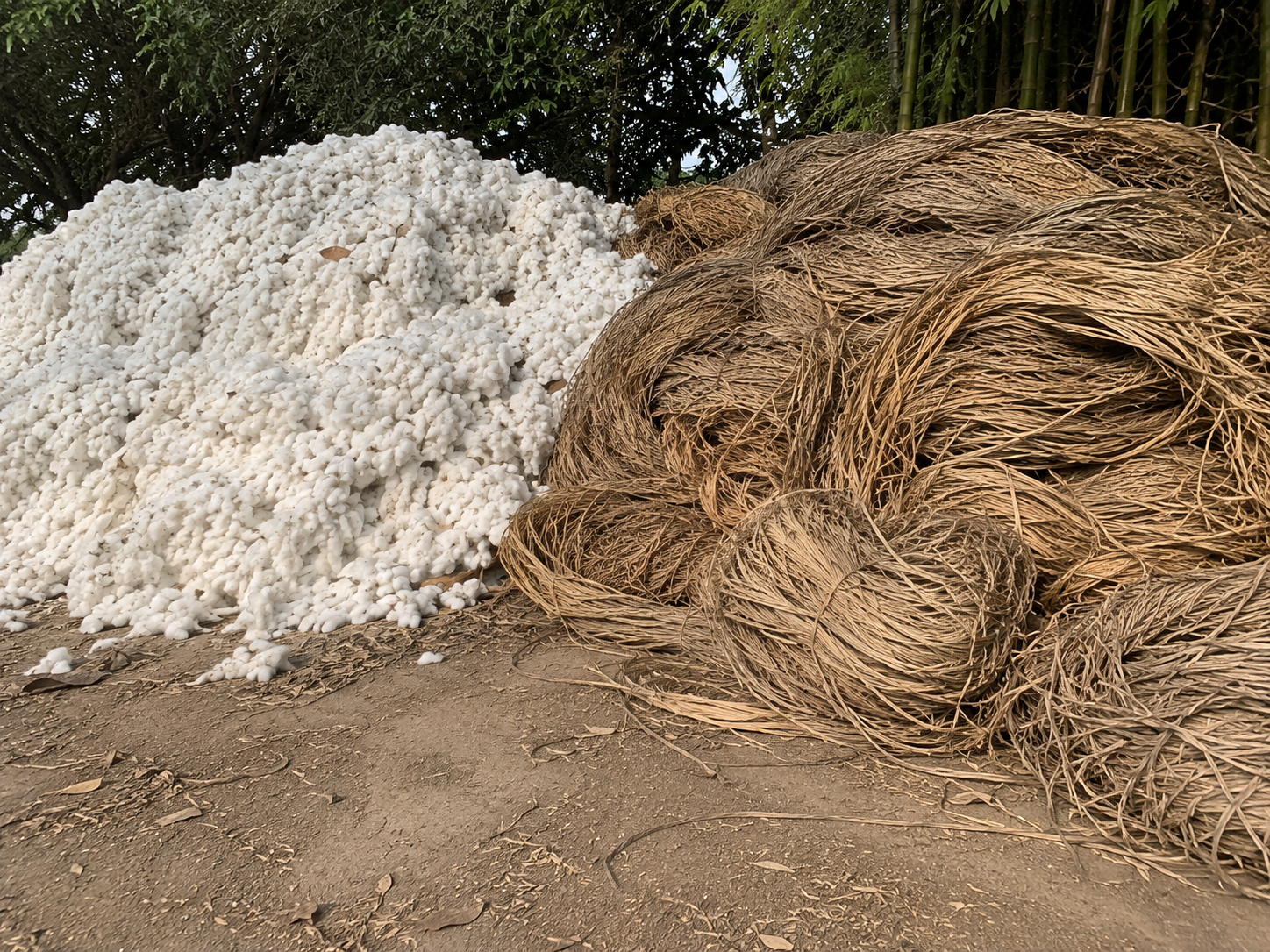
Jute is stronger and more durable, but coarser and less comfortable next to skin. Cotton is softer and more absorbent for apparel; jute excels in packaging, industrial applications, and décor.
Jute vs. hemp and flax (linen)
Hemp and flax also produce bast fibers with superior softness and durability. Hemp, in particular, has excellent strength and is more mildew-resistant. Flax (linen) has a smoother hand and higher value in apparel. Jute is typically cheaper and easier to produce in certain climates, but hemp and linen may be preferred for high-end textiles.
Jute vs. synthetic fibers
Synthetic fibers like polypropylene and polyester often outperform jute for water resistance, uniformity, and cost in mass production. However, synthetics are not biodegradable and contribute to microplastic pollution. Jute offers a biodegradable alternative where durability and compostability are prioritized.
Economic and Social Impact
Role in local economies
In Bangladesh and India, jute production supports millions of smallholder farmers, laborers, and artisans. Jute industries provide rural employment—particularly valuable in regions with few alternative livelihoods.
Global market trends
The jute market has experienced renewed interest as sustainability trends have grown. Demand for biodegradable packaging, natural home goods, and green construction materials has supported growth. Still, price and market volatility, competition from synthetics, and infrastructure challenges (like retting pollution) affect the growth trajectory.
Opportunities for American businesses
U.S. brands can incorporate jute into eco-friendly product lines, collaborate on fair-trade sourcing, and differentiate products through certified sustainable supply chains. Importing jute products from reputable producers or working with suppliers on traceability adds consumer confidence.
Quality and Certification: How to Choose Good Jute Products
Assessing quality
Fiber length and uniformity: Longer, even fibers lead to stronger yarns and less pilling.
Weave density and construction: Tighter weaves indicate better durability for fabrics and rugs.
Finish and treatment quality: Check for consistent dyeing and finishing; avoid products with heavy chemical odors.
Stitching and hardware: For bags and accessories, look at seam quality and attachment points.
Certifications and labels to look for
Fair Trade: Ensures ethical labor practices and often supports community development.
Global Organic Textile Standard (GOTS): Applied to natural fibers with certified organic production practices; less common for jute than cotton, but possible with blended products.
OEKO-TEX and similar textile safety standards: Indicate low chemical residues and safer finishes.
Cradle to Cradle or other lifecycle certifications: Useful for products designed for circularity.
Design and Aesthetic Considerations
Color and texture
Jute’s natural tones range from pale beige to golden brown. It takes natural dyes relatively well, though intense, vibrant colors may be harder to achieve uniformly than with cotton. Texture is inherently rustic—good for earthy, coastal, boho, and industrial looks.
Mixing with other materials
Blending jute with cotton, silk, or recycled polyester can improve softness and drape while keeping many environmental benefits. Leather or metal details often visually complement jute accessories.
Suitability for different product types
Jute is ideal for items that benefit from structure and texture (bags, rugs, planters) and less ideal for garments worn directly against delicate skin unless blended and softened.
Care and Maintenance of Jute Products
General cleaning tips
Dry cleaning or gentle spot cleaning is often recommended for jute rugs and upholstery.
Vacuum regularly to remove dirt and grit that can wear fibers.
For spills, blot immediately—don’t scrub. Use mild soap and cool water for spot-cleaning; test in an inconspicuous area first.
Avoid prolonged moisture exposure; jute can mildew if kept wet. Ensure thorough drying and good airflow.
For jute bags, shake out debris and spot-clean; avoid machine washing unless the product label explicitly permits it.
Storage and longevity
Store jute items in a cool, dry place away from direct sunlight to prevent fading and fiber weakening.
Use padded hangers or rolled storage for rugs to avoid creases.
Regular maintenance—brushing, airing out, and rotating rugs—extends life.
Designing With Sustainability in Mind
Sourcing responsibly
Choose suppliers that minimize retting pollution, employ fair labor practices, and use low-impact dyes and finishes. Request documentation on supply chain practices and certifications.
End-of-life planning
Design products to be repairable, recyclable, or compostable. Avoid mixing jute with non-biodegradable coatings if compostability is a priority. Offer take-back programs or clear disposal instructions to reduce landfill impact.
Innovations improving sustainability
Alternative retting methods: Microbial or enzymatic retting in controlled systems reduces water pollution and shortens processing times.
Jute composites and hybrid materials: Combining jute with bio-resins for stronger, lighter panels in automotive and construction applications.
Upcycling and circular business models: Reusing jute sacks and offcuts for accessories and home goods.
Case Studies and Real-World Examples
Packaging: Major coffee brands and specialty food producers use jute sacks for branding and biodegradability. Jute sacks also appeal to customers seeking zero-waste and minimal-plastic packaging.
Interior design: Designers use jute rugs and wall coverings in hospitality and residential projects to add texture and sustainable credentials.
Automotive industry: Some automakers use jute-reinforced composites for door panels and interior trims as a lightweight, lower-carbon alternative to synthetic reinforcements.
Community impact: Cooperative jute enterprises in Bangladesh and India provide livelihoods, preserve traditional skills, and enable small businesses to access export markets.
Challenges and Limitations to Consider
Not a universal replacement for synthetics
Jute cannot replace synthetic fibers in applications requiring consistent waterproofing, extreme elasticity, or ultrafine softness without significant processing or blending.
Durability in certain environments
Continuous exposure to moisture, heavy abrasion, or UV can shorten jute’s lifespan. For outdoor use, choose treated jute or alternative materials purpose-built for weather resistance.
Cost and supply constraints
While jute is often cheaper than premium natural fibers, quality jute with sustainable processing, certifications, and fair labor can command higher prices. Sourcing reliable suppliers and managing import logistics are important considerations for U.S. businesses.
Future Outlook: Trends and Opportunities
Growing demand for sustainable packaging
As retailers and consumers seek plastic alternatives, jute’s role in packaging and sacks may expand—especially for premium brands and bulk agricultural goods.
Product innovation and high-value markets
Blended jute textiles, treated jute for outdoor furnishings, and jute composites in automotive and construction sectors represent growth areas where technical improvements add value.
Policy and supply-chain improvements
Investment in retting infrastructure, traceability systems, and worker protections in producing countries will strengthen jute’s market position and branding as a truly sustainable alternative.
Practical Buying Guide for Consumers and Businesses
For consumers
Check construction: tighter weaves and good stitching indicate durability.
Ask about finishes: prefer low-VOC, water-based, or natural dye treatments.
Think about use-case: choose untreated jute for indoor décor, treated jute for occasional outdoor use.
Support fair trade and traceable brands when possible.
For businesses
Vet suppliers: request mill audits, certifications, and sample testing for tensile strength and colorfastness.
Consider lifecycle analysis: measure transport, finish impacts, and end-of-life scenarios.
Explore partnerships: co-develop products with producers to improve processing practices and ensure traceability.
DIY and Creative Uses for Jute
Home projects
Make planters, macramé hangers, placemats, and rustic wall art. Jute’s texture works well for accent pieces that don’t require softness.
Upcycling ideas
Turn jute sacks into tote bags, cushion covers, or patchwork rugs. Seal seams and edges to prevent fraying.
Careful crafting
Use proper tools and allow for fray allowance. Pre-wash or treat jute if you intend to dye it to reduce future shrinkage.
Conclusion
Jute is an accessible, affordable, and inherently sustainable fiber with a wide range of applications—from industrial packaging and geotextiles to fashion accessories and home décor. For American consumers and businesses, jute offers meaningful environmental advantages: it’s renewable, biodegradable, and requires relatively low agricultural inputs. However, jute’s sustainability credentials depend on responsible retting, careful finishing, and thoughtful product design. When chosen and processed well, jute can be a strong element of eco-friendly product strategies.
Whether you’re a retailer exploring green packaging options, a designer seeking a rustic natural aesthetic, or a consumer wanting to buy better, jute deserves serious consideration. Prioritize traceability, certifications, and supplier transparency to ensure you’re getting a product that’s both beautiful and responsible.
Further reading and resources
International Jute Study Group (IJSG)
Food and Agriculture Organization (FAO) materials on bast fibers
Fair Trade organizations and certification bodies
Textile industry resources on OEKO-TEX and GOTS standards
If you’d like, I can:
Create a one-page printable infographic summarizing jute benefits and care tips.
Draft product copy for a jute tote, rug, or packaging line.
Provide a supplier checklist and questionnaire for vetting jute mills.