 Jun 04, 2026 - 0
Minutes read
Jun 04, 2026 - 0
Minutes read
How Jute Farming Can Help Combat Soil Erosion and Improve Agro-Ecology
How Jute Farming Can Help Combat Soil Erosion and Improve Agro-Ecology
What Makes Jute an Environmentally Friendly Crop?
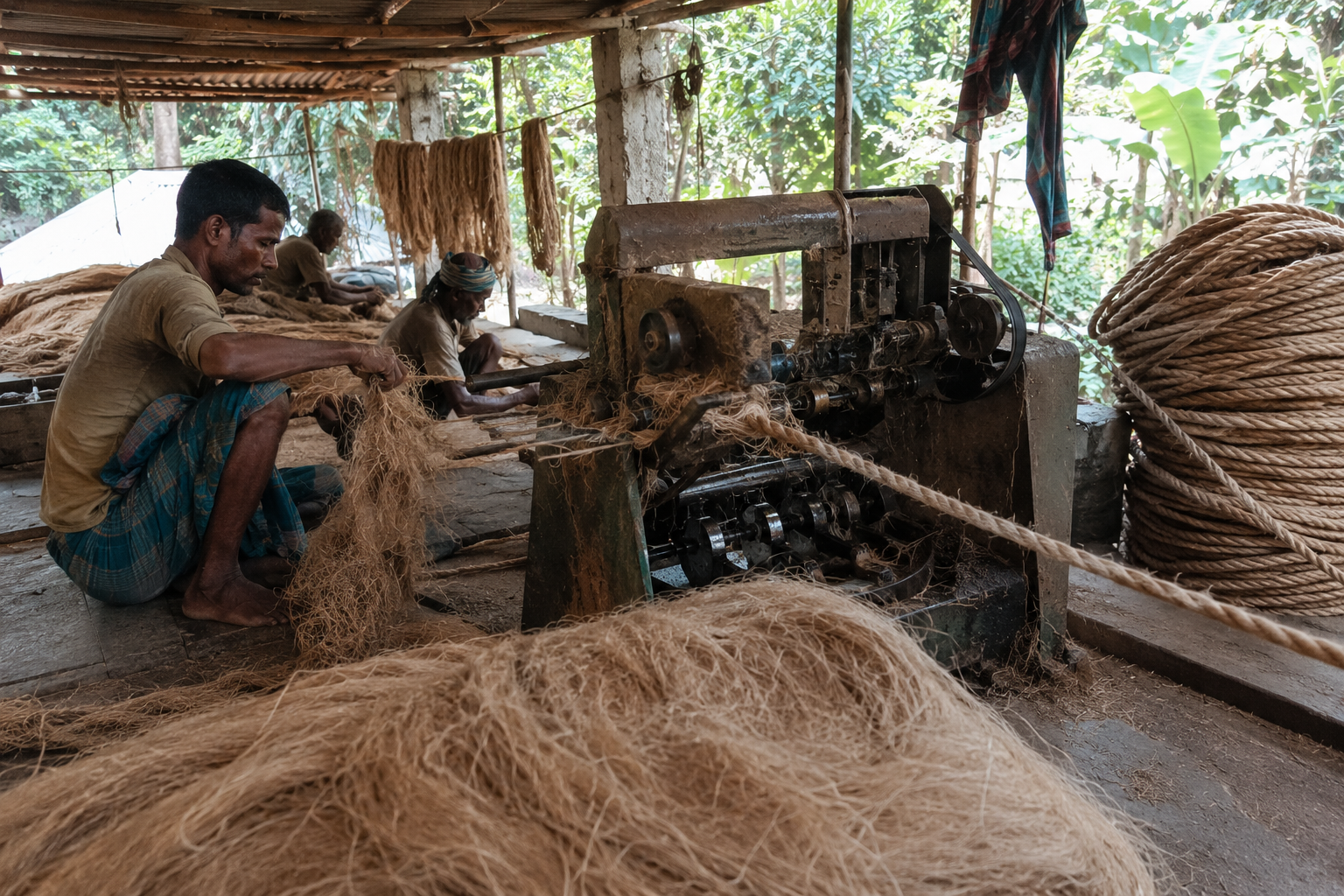
Jute is a fast-growing, renewable natural fiber primarily cultivated in Bangladesh and India. It requires relatively low chemical inputs compared to many commercial crops and can thrive in naturally fertile soils with adequate rainfall.
Growing Importance of Agro-Ecology
Agro-ecology focuses on creating farming systems that work in harmony with nature. Jute cultivation aligns with these principles by promoting soil conservation, reducing environmental impact, and supporting long-term agricultural productivity.
How Jute Farming Helps Prevent Soil Erosion
Strong Root Systems Improve Soil Stability
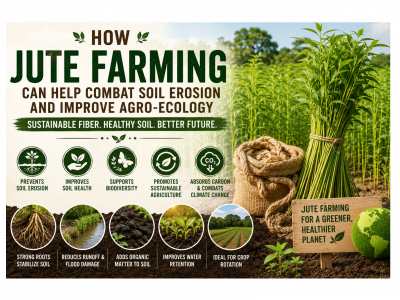
One of the most significant environmental benefits of jute farming is its ability to reduce soil erosion. Jute plants develop extensive root systems that bind soil particles together, helping stabilize the land and prevent topsoil loss caused by wind and water.
Protection Against Flood and Rainfall Damage
In regions prone to heavy rainfall and seasonal flooding, jute cultivation helps protect vulnerable agricultural land. The dense plant cover reduces surface runoff and minimizes the washing away of valuable topsoil.
Soil Health Benefits of Jute Cultivation
Increasing Organic Matter in the Soil
Jute farming contributes organic residues back into the soil after harvest. These plant materials decompose naturally and enrich the soil with organic matter, improving its structure and fertility.
Enhancing Water Retention and Soil Structure
Healthy soil requires the ability to retain moisture and nutrients. Jute roots improve soil porosity, allowing better water infiltration and reducing soil compaction. This creates favorable growing conditions for future crops.
Jute Farming and Agro-Ecological Diversity
Supporting Biodiversity in Agricultural Landscapes
Jute fields can contribute to healthier ecosystems by supporting beneficial insects, microorganisms, and surrounding vegetation. Diverse agricultural environments help maintain ecological balance and improve natural pest control.
Promoting Sustainable Crop Rotation Systems
Jute is often integrated into crop rotation programs with rice and other staple crops. Crop rotation helps break pest cycles, improve nutrient availability, and reduce the need for chemical fertilizers and pesticides.
The Future of Jute in Climate-Resilient Agriculture
Carbon Sequestration and Environmental Benefits
As a fast-growing crop, jute absorbs significant amounts of carbon dioxide during its growth cycle. This helps reduce greenhouse gas concentrations while contributing to cleaner air and healthier ecosystems.
Building Resilient Farming Systems
With increasing concerns about climate change and land degradation, jute farming offers a practical solution for sustainable agriculture. Its ability to improve soil health, reduce erosion, and support biodiversity makes it an important crop for future climate-resilient farming systems.
Conclusion
Jute farming provides far more than a valuable natural fiber. Its ability to combat soil erosion, improve soil fertility, enhance water retention, and support agro-ecological diversity makes it a powerful tool for sustainable agriculture. As governments, farmers, and businesses continue seeking environmentally responsible solutions, jute cultivation stands out as a crop that benefits both the economy and the environment. By promoting responsible jute farming practices, we can help protect agricultural land, strengthen ecosystems, and build a more sustainable future.