 Jun 04, 2026 - 0
Minutes read
Jun 04, 2026 - 0
Minutes read
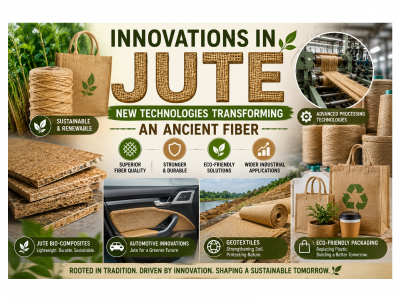
Innovations in Jute: New Technologies Transforming an Ancient Fiber
Innovations in Jute: New Technologies Transforming an Ancient Fiber
The Evolution of Jute in Modern Industry
From Traditional Fiber to Advanced Material
Historically, jute was primarily used for basic industrial and household products. Today, technological advancements are enabling manufacturers to improve fiber quality, durability, and functionality, making jute suitable for a wider range of industries.
Growing Demand for Sustainable Solutions
The global shift toward sustainability has increased interest in renewable materials. Jute's biodegradable nature, low environmental footprint, and renewability make it an attractive alternative to petroleum-based products and synthetic fibers.
Advanced Processing Technologies in Jute Manufacturing
Improved Fiber Extraction Techniques
Traditional retting methods are gradually being replaced by improved extraction technologies. Enzymatic retting and controlled water retting systems produce cleaner fibers, improve quality, and reduce environmental pollution.
Precision Spinning and Weaving Systems
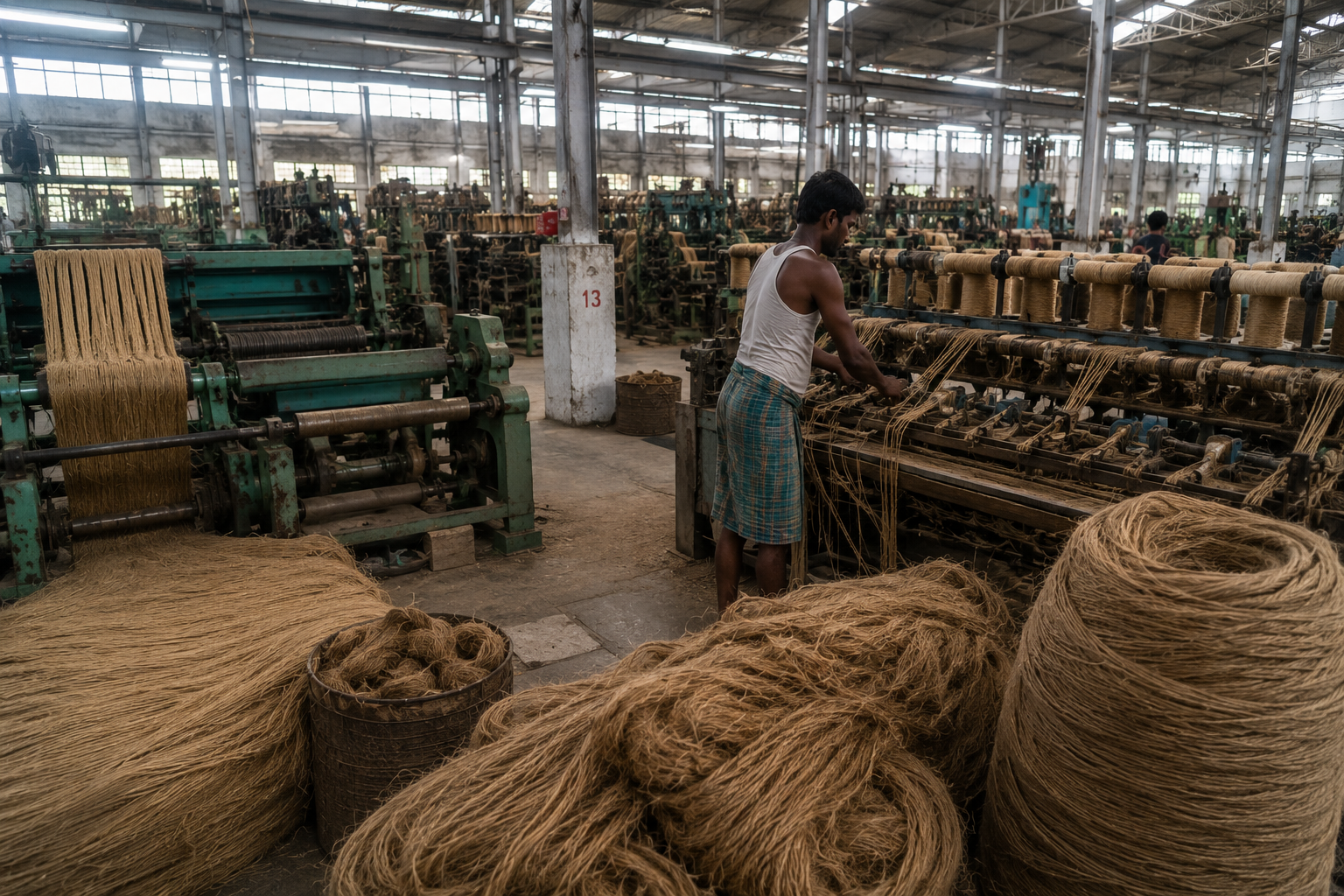
Modern spinning and weaving machinery allows manufacturers to produce finer, stronger, and more uniform jute yarns. These improvements enable jute to compete in higher-value textile and industrial applications.
Jute Bio-Composites and Industrial Applications
Reinforced Composite Materials
One of the most exciting innovations in jute technology is the development of bio-composites. Jute fibers are combined with biodegradable or synthetic resins to create lightweight, durable materials used in construction, furniture, and consumer products.
Automotive and Transportation Uses
Major automotive manufacturers are increasingly using jute-reinforced composite panels in vehicle interiors. These materials reduce vehicle weight, improve sustainability, and lower production costs while maintaining performance standards.
Emerging Markets for Technical Jute Products
Geotextiles for Soil and Infrastructure Projects
Jute geotextiles are becoming popular in civil engineering and environmental management projects. These biodegradable fabrics help control soil erosion, stabilize slopes, and support vegetation growth in infrastructure developments.
Eco-Friendly Packaging Innovations
As governments and businesses work to reduce plastic waste, jute-based packaging is gaining momentum. Advanced manufacturing techniques now allow the production of durable shopping bags, packaging materials, and biodegradable alternatives to plastic products.
The Future of Smart and Sustainable Jute Technologies
Functional and Smart Textile Development
Researchers are exploring ways to integrate jute fibers into advanced textile applications. New treatments improve moisture resistance, durability, and flexibility, opening opportunities in fashion, home furnishings, and technical textiles.
Supporting the Circular Economy
Jute plays a crucial role in the circular economy because it is renewable, recyclable, and biodegradable. Future innovations are expected to further improve production efficiency while reducing environmental impact across the entire supply chain.
Conclusion
The transformation of jute from a traditional agricultural fiber into an advanced industrial material demonstrates its remarkable versatility and potential. Through innovations in fiber processing, bio-composites, geotextiles, automotive manufacturing, and sustainable packaging, jute is becoming increasingly important in modern markets. As technology continues to evolve, this ancient fiber is well-positioned to meet the growing global demand for environmentally responsible materials. The future of jute lies not only in its rich history but also in the innovative technologies that are shaping its next chapter.