 Jun 05, 2026 - 0
Minutes read
Jun 05, 2026 - 0
Minutes read
Is Jute Reusable? Exploring the Durability, Sustainability, and Reusability of the Golden Fiber
Is Jute Reusable? Exploring the Durability, Sustainability, and Reusability of the Golden Fiber
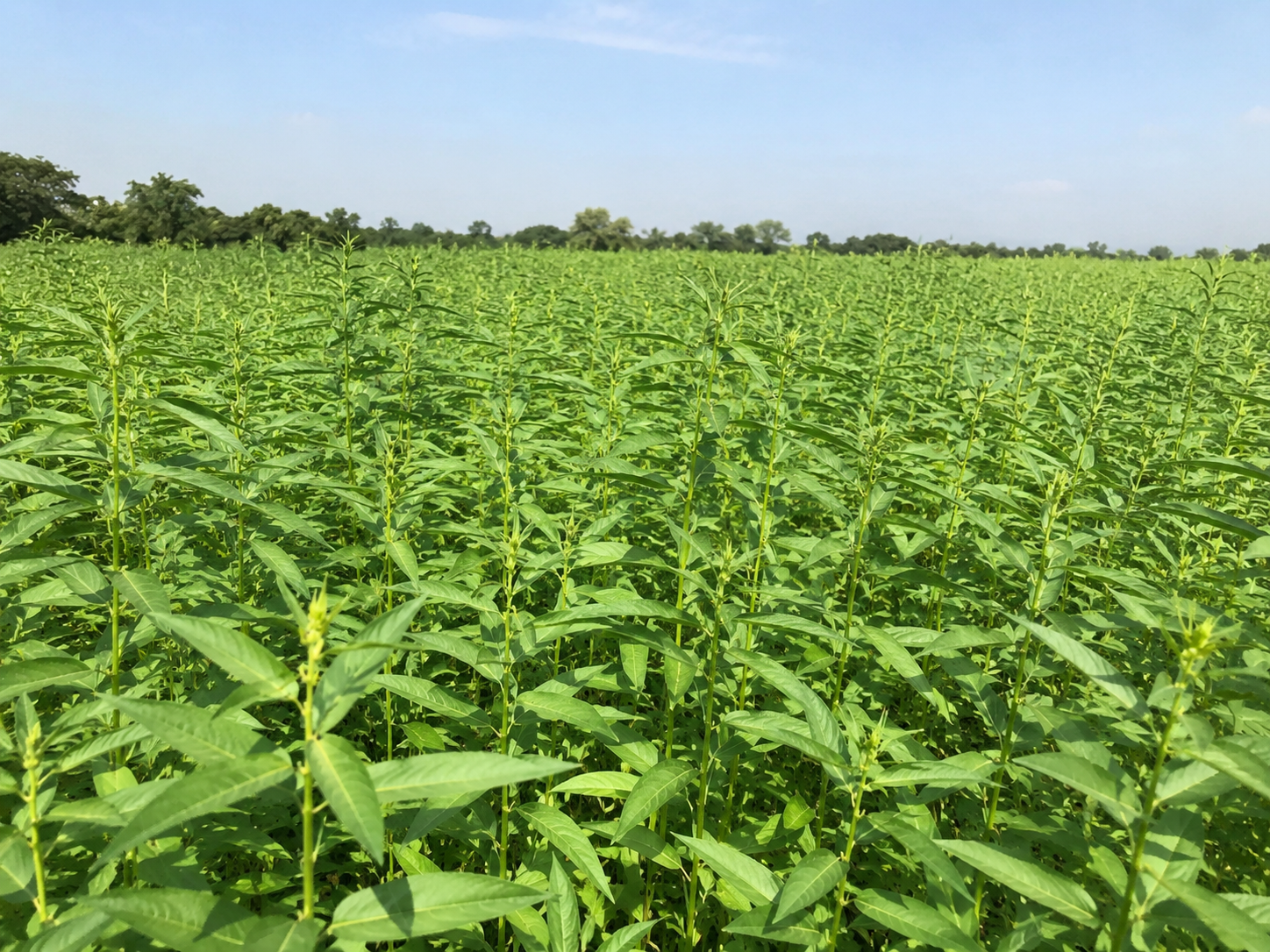
Why Jute Is a Reusable Natural Fiber
Strong and Durable Construction
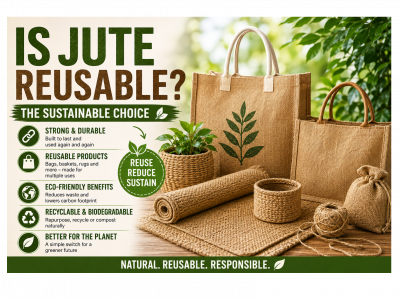
Jute fibers are naturally strong and resistant to wear. Unlike many disposable materials, jute products can withstand repeated handling, carrying, and storage without losing their functionality. This durability makes jute ideal for reusable bags, sacks, baskets, and industrial packaging.
Designed for Multiple Uses
Many jute products are specifically designed for long-term use. Shopping bags, storage containers, rugs, and home décor items can often remain functional for years when properly cared for and protected from excessive moisture.
Common Reusable Jute Products
Reusable Shopping and Grocery Bags
One of the most popular uses of jute is in reusable shopping bags. Unlike single-use plastic bags, jute bags can be used hundreds of times, reducing plastic waste while providing a strong and attractive carrying solution.
Home Décor and Storage Solutions
Jute baskets, rugs, curtains, table runners, and storage bins are commonly reused throughout the home. Their durability allows homeowners to enjoy these products for many years while maintaining their natural appearance.
Environmental Benefits of Reusing Jute
Reducing Single-Use Waste
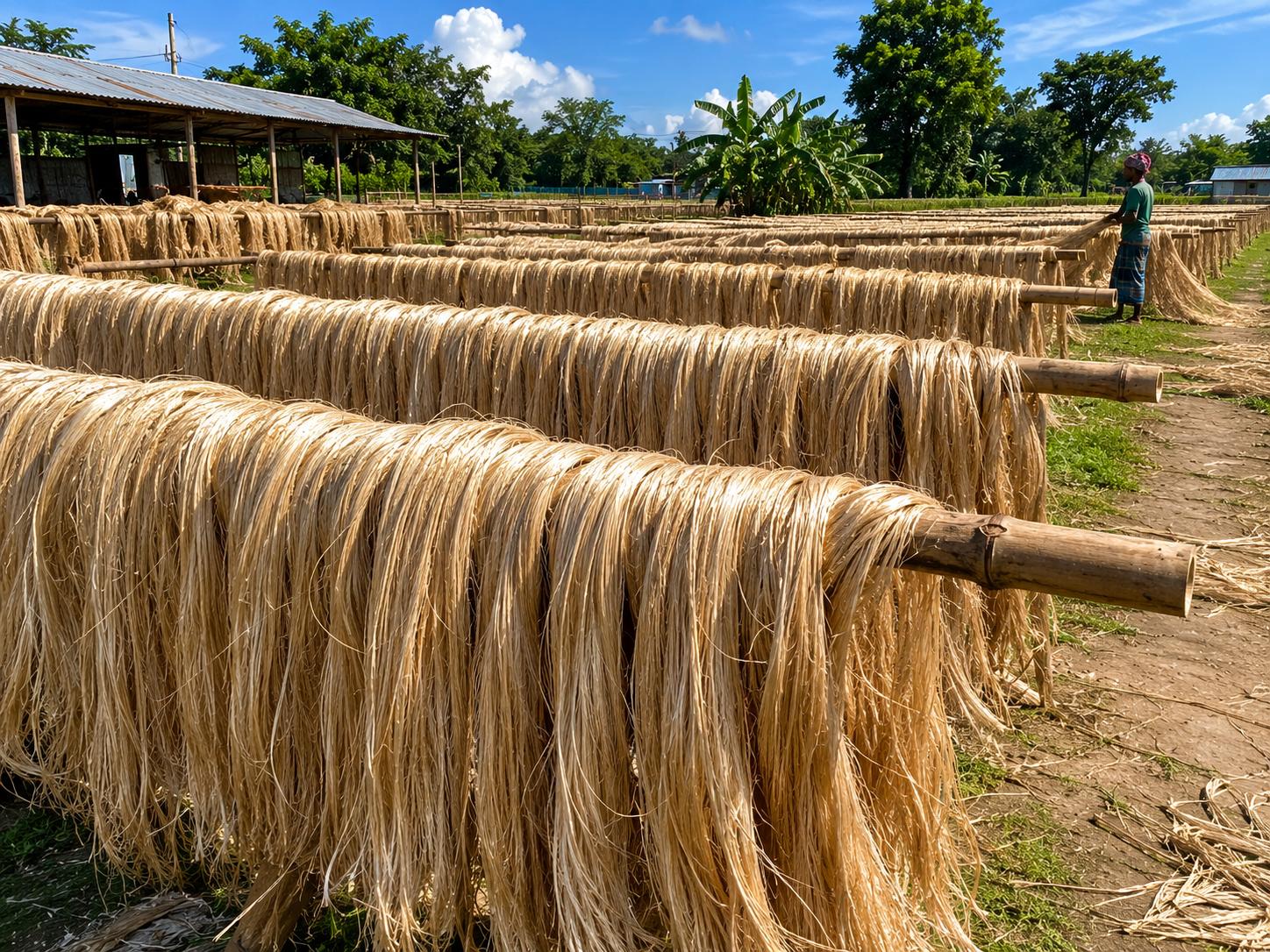
Every time a jute product is reused, it helps reduce demand for disposable materials. This contributes to lower landfill waste and decreases the environmental impact associated with manufacturing and disposing of single-use products.
Lower Carbon Footprint
Because jute products can be used repeatedly, fewer replacement products are needed over time. This reduces resource consumption, transportation emissions, and manufacturing energy requirements.
Can Jute Be Recycled After Reuse?
Recycling and Repurposing Opportunities
After reaching the end of their primary use, many jute products can be recycled or repurposed. Old jute sacks can become cushion covers, storage organizers, wall art, gardening materials, or DIY craft projects.
Compostable and Biodegradable End-of-Life Option
Unlike synthetic materials, untreated jute naturally decomposes when discarded. This means that even after multiple uses, jute products can return to the environment without leaving harmful residues.
How to Extend the Life of Reusable Jute Products
Proper Cleaning and Storage
Keeping jute products clean and dry significantly extends their lifespan. Regular dust removal, gentle spot cleaning, and proper storage help prevent mold, mildew, and fiber deterioration.
Protecting Against Moisture and Excessive Wear
While jute is durable, prolonged exposure to water can weaken fibers over time. Using jute products in appropriate environments and avoiding excessive moisture helps maximize their reusability.
Why Businesses Prefer Reusable Jute Products
Supporting Sustainable Branding
Businesses increasingly choose jute packaging and promotional products because they demonstrate a commitment to sustainability. Reusable jute bags help companies reduce environmental impact while enhancing their brand image.
Meeting Consumer Demand for Eco-Friendly Products
Modern consumers are actively seeking reusable alternatives to disposable materials. Jute products satisfy this demand by offering both practicality and environmental responsibility.
Conclusion
Jute is one of the most reusable natural fibers available today. Its strength, durability, and versatility allow products such as bags, rugs, baskets, packaging materials, and home décor items to be used repeatedly for years. Beyond its reusability, jute also offers significant environmental benefits through its biodegradability and recycling potential. As sustainability becomes increasingly important worldwide, reusable jute products provide a practical solution for reducing waste while supporting a greener future.