 Jun 01, 2026 - 0
Minutes read
Jun 01, 2026 - 0
Minutes read
The Best Uses of Jute: Why the Golden Fiber Is More Valuable Than Ever
The Best Uses of Jute: Why the Golden Fiber Is More Valuable Than Ever
Why Jute Is Considered a Valuable Natural Fiber
Strong, Durable, and Cost-Effective
One of jute's greatest advantages is its strength. The fiber can withstand heavy loads, making it ideal for packaging, transportation, and industrial applications. Compared to many synthetic materials, jute is also affordable and widely available.
Sustainable and Environmentally Friendly
Jute is a renewable crop that grows quickly and requires relatively low chemical inputs. Unlike plastic products, jute decomposes naturally, helping reduce environmental pollution and supporting sustainable living practices.
Jute in Packaging and Transportation
Eco-Friendly Packaging Solutions
One of the most important uses of jute is sustainable packaging. Jute bags, sacks, and wrapping materials are widely used for transporting agricultural products such as rice, coffee, wheat, sugar, and spices. Their breathable nature helps preserve product quality during storage and shipment.
Replacing Single-Use Plastics
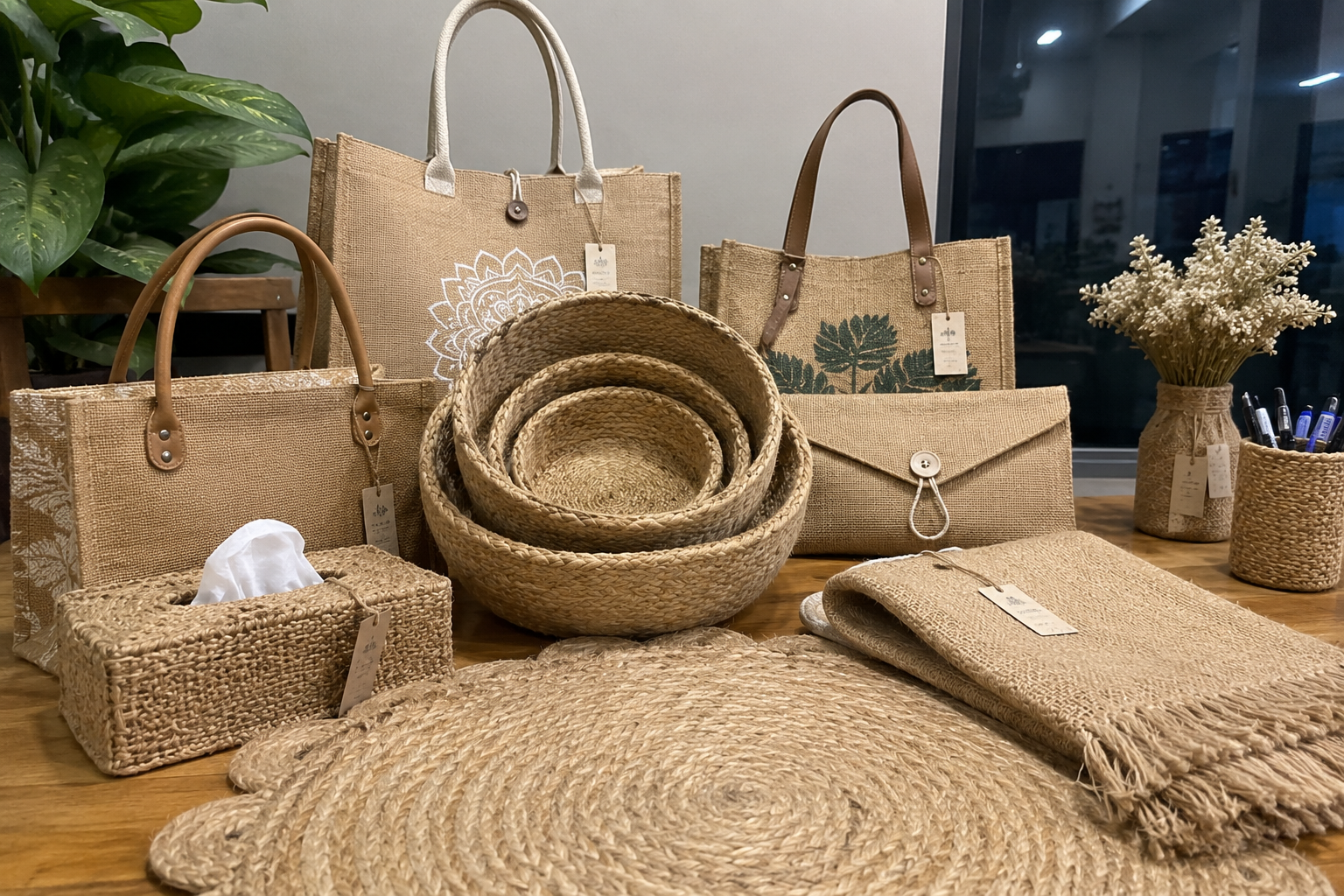
As governments and businesses work to reduce plastic waste, jute shopping bags and reusable packaging products have become popular alternatives. These products are durable, reusable, and biodegradable, making them ideal for environmentally conscious consumers.
Jute in Home Décor and Interior Design
Natural Textures for Modern Living Spaces
Jute rugs, curtains, baskets, cushions, table runners, and wall hangings are increasingly popular in contemporary homes. The fiber's natural texture adds warmth and character to interior spaces while complementing modern, bohemian, Scandinavian, and coastal design styles.
Furniture and Decorative Accessories
Designers are using jute in furniture, lighting fixtures, storage solutions, and handcrafted decorative items. Its earthy appearance helps create comfortable and sustainable living environments.
Industrial and Agricultural Applications of Jute
Geotextiles and Soil Protection
Jute geotextiles are widely used in erosion control, road construction, and environmental restoration projects. These biodegradable fabrics help stabilize soil, improve vegetation growth, and support sustainable infrastructure development.
Ropes, Twines, and Agricultural Products
Jute remains one of the most widely used materials for ropes, twines, nets, and agricultural products. Farmers and industries continue to rely on its strength and affordability for everyday operations.
Emerging Uses of Jute in Modern Industries
Fashion and Sustainable Textiles
The fashion industry is increasingly incorporating jute into bags, footwear, accessories, and blended fabrics. Consumers appreciate its natural appearance and environmentally friendly characteristics.
Bio-Composites and Green Manufacturing
One of the fastest-growing applications of jute is in bio-composite materials. Manufacturers combine jute fibers with resins to produce lightweight panels, furniture components, automotive interior parts, and construction materials. These innovations help reduce dependence on synthetic and petroleum-based products.
Conclusion
Jute is far more than a traditional agricultural fiber. Its applications span packaging, home décor, agriculture, fashion, infrastructure, and advanced industrial manufacturing. As sustainability becomes a global priority, the demand for eco-friendly materials continues to grow, positioning jute as one of the most valuable natural fibers of the future. Its strength, versatility, affordability, and environmental benefits make it an excellent choice for businesses and consumers alike.