 Jun 04, 2026 - 0
Minutes read
Jun 04, 2026 - 0
Minutes read
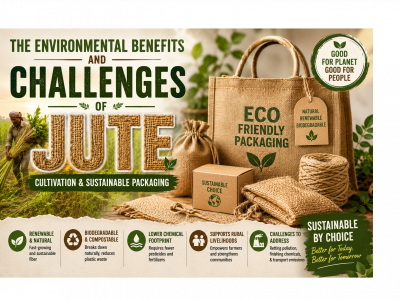
The Environmental Benefits and Challenges of Jute Cultivation
The Environmental Benefits and Challenges of Jute Cultivation
Why Jute Matters in Sustainable Agriculture
What Is Jute and Why Is It Important?
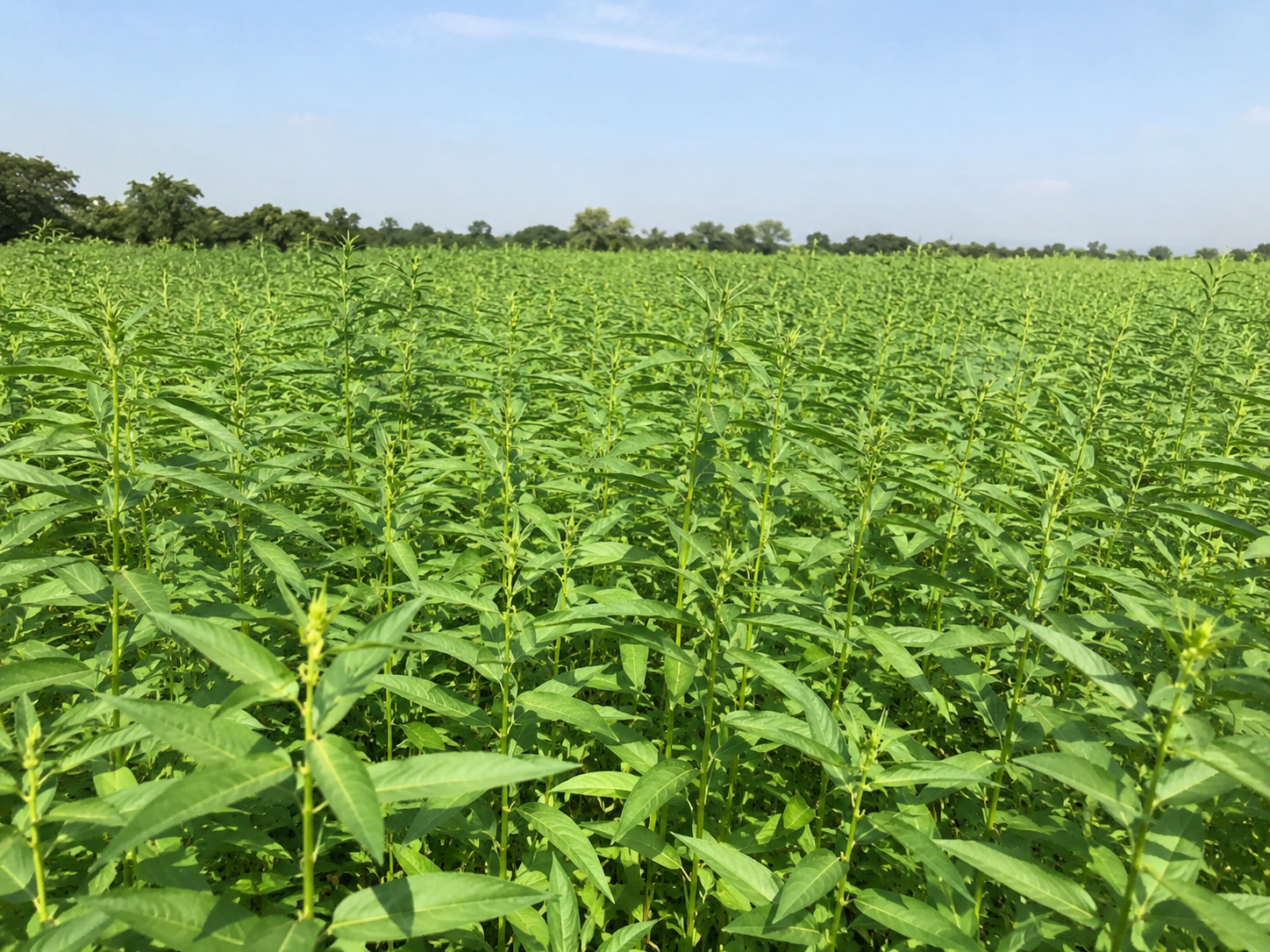
Jute, often known as the "Golden Fiber," is one of the most sustainable natural fibers in the world. Widely cultivated in Bangladesh and India, jute is biodegradable, renewable, and increasingly used in eco-friendly packaging, textiles, home décor, and industrial applications.
Growing Demand for Sustainable Materials
As businesses and consumers seek alternatives to plastic, jute has become a preferred choice due to its low environmental footprint and ability to decompose naturally without leaving harmful residues.
Environmental Benefits of Jute Cultivation
Carbon Sequestration and Air Quality
Jute plants absorb significant amounts of carbon dioxide during their rapid growth cycle. This helps reduce greenhouse gas concentrations while releasing oxygen into the atmosphere, contributing to improved air quality.
Soil Health and Erosion Control
Jute cultivation improves soil structure through organic matter accumulation. Its extensive root system helps reduce soil erosion, especially in flood-prone agricultural regions.
Water Use and Resource Efficiency
Lower Irrigation Requirements
Unlike many commercial crops, jute often relies on natural rainfall, reducing dependence on irrigation systems and conserving freshwater resources.
Renewable and Biodegradable Fiber
Jute grows within 3–6 months and can be replanted annually. At the end of its life cycle, untreated jute decomposes naturally, supporting circular economy initiatives.
Environmental Challenges of Jute Production
Water Pollution from Traditional Retting
The biggest environmental challenge associated with jute is the retting process. Traditional water retting can release organic waste into rivers and ponds, increasing biological oxygen demand (BOD) and affecting aquatic ecosystems.
Chemical Treatments and Finishing Processes
Some jute products undergo bleaching, dyeing, or coating processes that introduce chemicals into the production chain. Unsustainable finishing methods can reduce the fiber’s environmental advantages.
Sustainable Solutions and Future Opportunities
Cleaner Retting Technologies
Innovations such as enzymatic retting, tank retting, and wastewater treatment systems significantly reduce water pollution while improving fiber quality.
Responsible Sourcing for a Greener Future
Brands should prioritize suppliers that use environmentally responsible farming practices, sustainable retting methods, and transparent supply chains. Certifications, farmer cooperatives, and traceability programs help ensure ethical and sustainable jute production.
Conclusion
Jute cultivation offers substantial environmental benefits, including carbon sequestration, soil improvement, biodegradability, and reduced reliance on synthetic materials. However, challenges such as retting pollution and chemical processing must be addressed through innovation and responsible sourcing. By supporting sustainable jute production, businesses and consumers can contribute to a cleaner, more circular, and environmentally responsible future.