 Jun 04, 2026 - 0
Minutes read
Jun 04, 2026 - 0
Minutes read
The History of Jute: From Traditional Uses to Modern Markets
The History of Jute: From Traditional Uses to Modern Markets
The History of Jute: From Traditional Uses to Modern Markets
The Origins of Jute in Ancient Civilizations
Early Cultivation and Traditional Uses
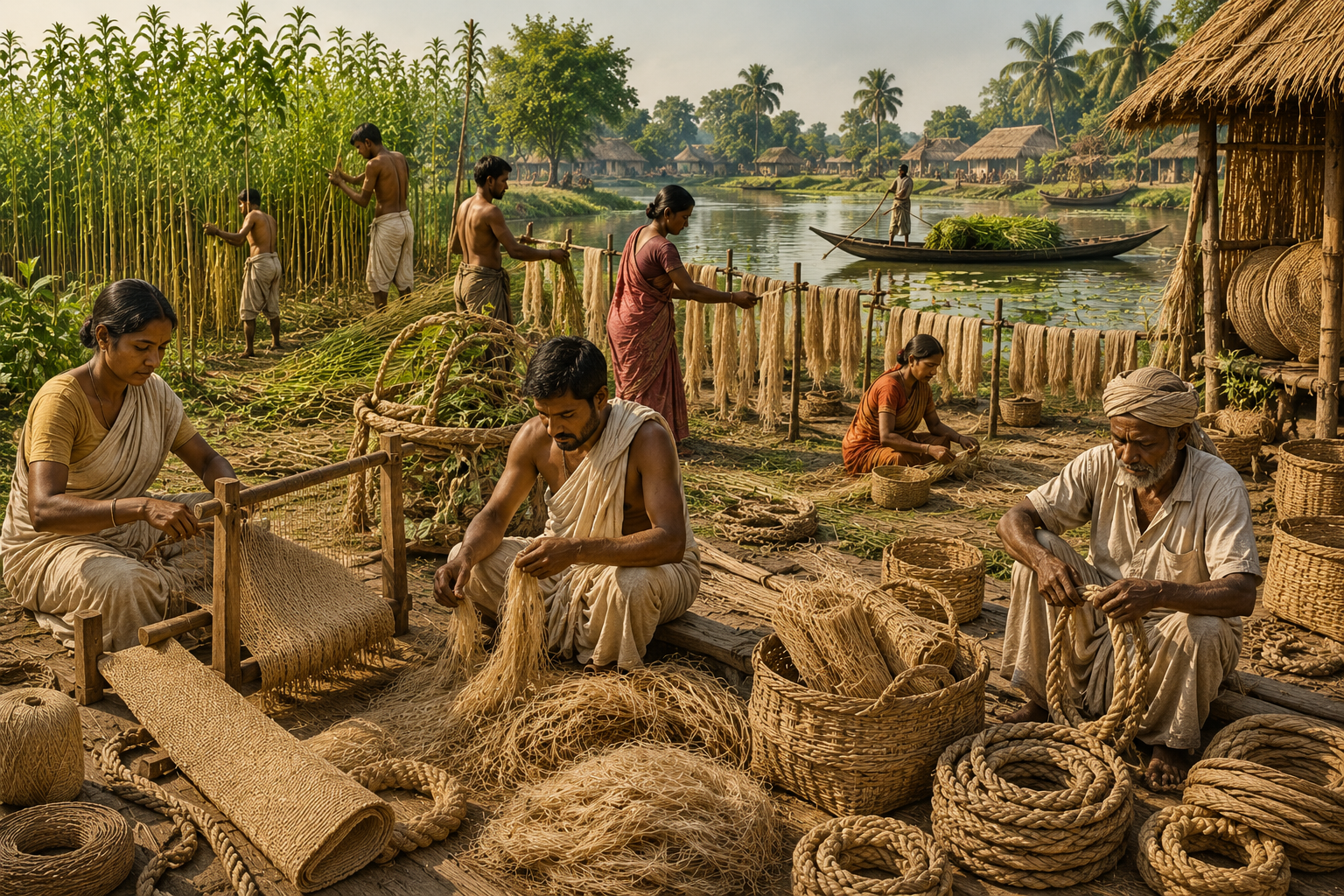
The history of jute dates back thousands of years in South Asia, particularly in regions that now form Bangladesh and India. Ancient communities cultivated jute primarily for making ropes, fishing nets, household textiles, and simple clothing. Its durability and availability made it a valuable resource for daily life.
Jute's Role in Rural Communities
For generations, jute cultivation provided livelihoods for farming families. Local artisans transformed raw fibers into practical products used for transportation, agriculture, and storage. These traditional uses laid the foundation for the fiber’s economic significance.
The Rise of the Global Jute Industry
Industrial Revolution and Commercial Expansion
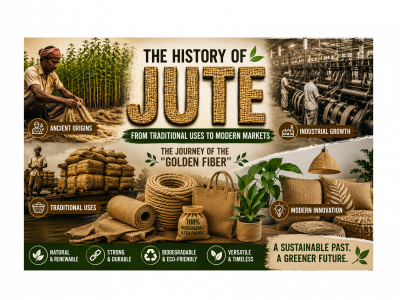
During the nineteenth century, jute gained international attention as industrialization increased demand for packaging materials. The development of mechanized spinning and weaving technologies allowed manufacturers to produce jute products on a much larger scale.
Growth of Jute Mills and Exports
Major jute mills emerged throughout South Asia, supplying global markets with sacks, ropes, twines, and industrial fabrics. Jute became one of the most important export commodities in the region, earning its nickname as the "Golden Fiber" due to its economic value.
Traditional Applications of Jute Products
Packaging and Transportation Solutions
For decades, jute sacks were the preferred choice for transporting agricultural goods such as rice, coffee, wheat, sugar, and spices. Their strength and breathability helped preserve product quality during storage and shipment.
Household and Agricultural Uses
Beyond commercial packaging, jute remained an essential material for ropes, mats, baskets, curtains, and various farming applications. Its versatility ensured continued demand across both urban and rural communities.
Jute in Modern Sustainable Markets
Growing Demand for Eco-Friendly Alternatives
As environmental concerns over plastic pollution continue to rise, jute has gained renewed popularity. Businesses and consumers are increasingly choosing biodegradable and renewable materials, positioning jute as a sustainable alternative to synthetic products.
Innovation in Jute-Based Products
Modern manufacturers are expanding jute applications beyond traditional uses. Today, jute is found in home décor, fashion accessories, furniture, geotextiles, automotive components, and sustainable packaging solutions.
The Future of Jute in a Green Economy
Supporting Circular and Sustainable Industries
Jute aligns perfectly with the principles of the circular economy. It is renewable, biodegradable, and capable of reducing reliance on petroleum-based materials. These qualities make it attractive to environmentally conscious industries worldwide.
Opportunities for Global Market Growth
With increasing demand for sustainable products, jute is expected to play a larger role in international markets. Advances in processing technologies and product innovation continue to create new opportunities for farmers, manufacturers, and exporters.
Conclusion
The history of jute reflects its remarkable journey from a traditional natural fiber to a globally recognized sustainable material. For centuries, it has supported livelihoods, powered industries, and provided practical solutions for everyday life. Today, as consumers and businesses seek environmentally responsible alternatives, jute is once again proving its value. By combining historical significance with modern innovation, the Golden Fiber continues to shape the future of sustainable commerce and design.