 Apr 09, 2026 - 0
Minutes read
Apr 09, 2026 - 0
Minutes read
TradingView vs MetaTrader: Which Platform Is Better?
A Complete Comparison of Features, Performance, and Usability for Modern Traders
Introduction
In today’s fast-moving financial markets, choosing the right trading platform can significantly impact your performance and overall trading experience. Among the most popular platforms, TradingView and MetaTrader stand out as two powerful options used by millions of traders worldwide. Both platforms offer unique features and tools, but they are designed for slightly different types of users. Understanding the differences between TradingView and MetaTrader is essential for selecting the platform that best fits your trading style and goals.
Overview of TradingView
TradingView is a web-based charting platform known for its clean interface, advanced visualization tools, and social trading features. It is widely used for market analysis rather than direct trade execution, although it can be connected with certain brokers. One of its biggest strengths is its modern and user-friendly design, which allows traders to analyze charts easily across multiple devices. TradingView also provides access to a large community where traders share ideas, strategies, and insights, making it especially valuable for beginners and content-driven traders.
Overview of MetaTrader
MetaTrader, including MetaTrader 4 (MT4) and MetaTrader 5 (MT5), is a traditional trading platform widely used for forex and CFD trading. Unlike TradingView, MetaTrader is primarily focused on trade execution and automation. It supports expert advisors (EAs), which allow traders to automate strategies and run algorithmic trading systems. MetaTrader is highly popular among professional traders who prefer a more technical and execution-focused environment. However, its interface may feel outdated compared to modern platforms.
Charting and Analysis
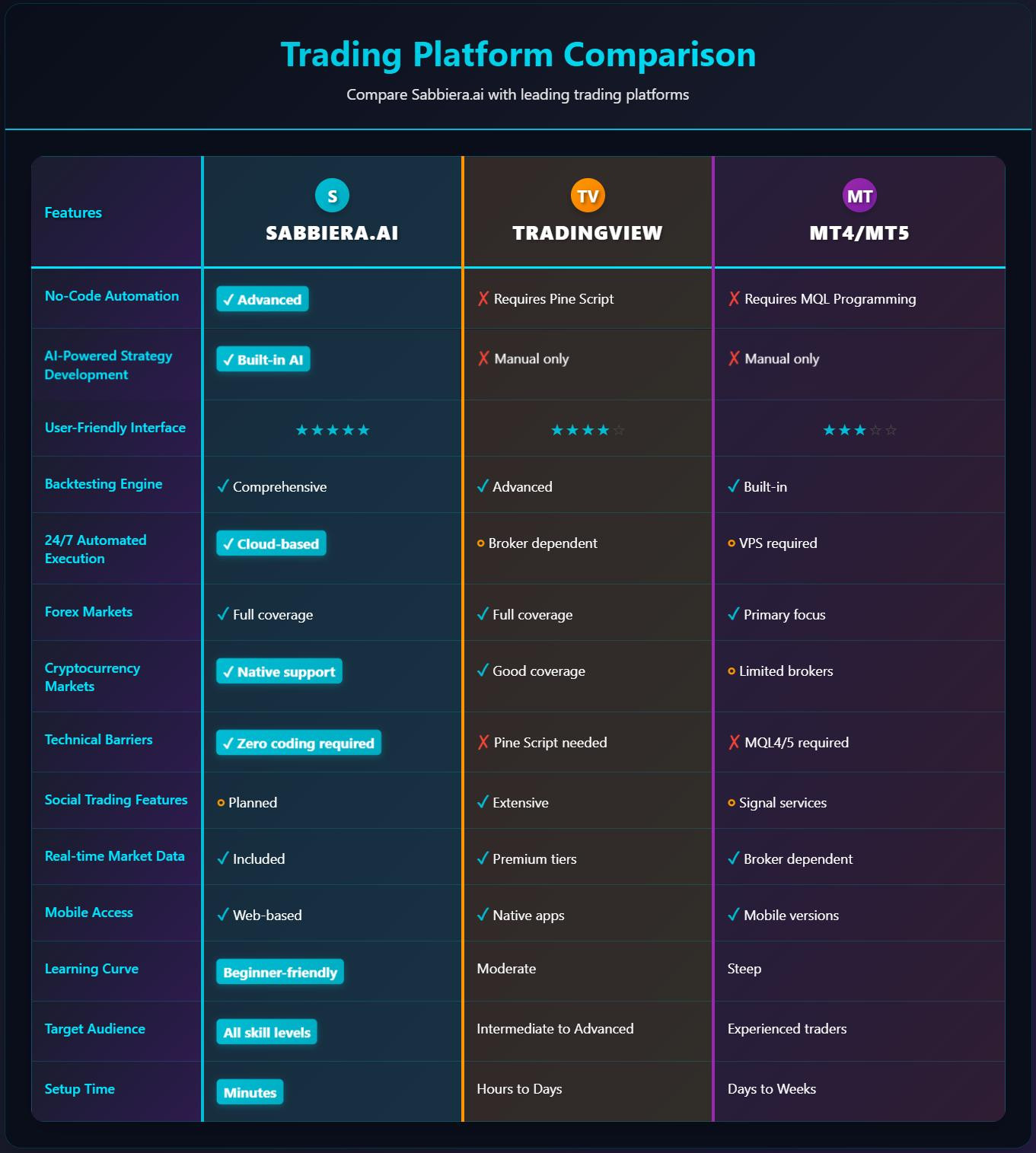
When it comes to charting and visual analysis, TradingView clearly stands out. It offers highly customizable charts, smooth performance, and a wide range of built-in indicators. Traders can easily switch between timeframes, apply drawing tools, and create clean layouts for analysis. On the other hand, MetaTrader provides essential charting features but lacks the same level of visual clarity and flexibility. While MetaTrader can still handle technical analysis, it often requires additional plugins or customization to match TradingView’s capabilities.
Trading and Execution
MetaTrader has a strong advantage in trade execution. It is designed specifically for placing trades, managing positions, and running automated strategies. Many brokers integrate directly with MetaTrader, making it a reliable choice for active traders. TradingView, although improving in this area, is still more focused on analysis. While it allows trading through broker integration, it may not offer the same depth of execution tools as MetaTrader.
Automation and Strategy Building
MetaTrader excels in automation through its Expert Advisors feature. Traders can build or use automated trading bots that execute trades based on predefined rules. This is especially useful for advanced traders who rely on algorithmic strategies. TradingView also offers scripting through Pine Script, allowing users to create custom indicators and strategies. However, it is more focused on analysis and backtesting rather than full automation.
User Experience and Accessibility
TradingView provides a modern and intuitive experience that works seamlessly across web, desktop, and mobile devices. It requires no installation and is easy to access from anywhere. MetaTrader, in contrast, is a downloadable platform that may feel more complex for beginners. While it is powerful, it requires more time to learn and configure.
Which Platform Is Better?
The answer depends on your trading needs. If you prioritize chart analysis, visual clarity, and ease of use, TradingView is the better choice. It is ideal for beginners, analysts, and traders who focus on strategy development. On the other hand, if your main goal is trade execution, automation, and running advanced trading systems, MetaTrader is more suitable. Many professional traders actually use both platforms together, combining TradingView for analysis and MetaTrader for execution.
Conclusion
TradingView and MetaTrader are both powerful platforms, but they serve different purposes. TradingView excels in analysis and user experience, while MetaTrader dominates in execution and automation. Choosing the right platform depends on your goals, trading style, and level of experience. By understanding their strengths and limitations, you can make a smarter decision and improve your overall trading performance.