 Jun 04, 2026 - 0
Minutes read
Jun 04, 2026 - 0
Minutes read
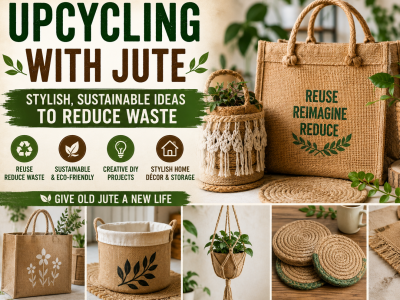
Upcycling with Jute: Stylish, Sustainable Ideas to Reduce Waste
Upcycling with Jute: Stylish, Sustainable Ideas to Reduce Waste
Why Jute Is Perfect for Upcycling
A Durable and Versatile Natural Fiber
Jute is known for its strength and flexibility, making it suitable for a wide range of DIY projects. Unlike many synthetic materials, jute retains its durability even after years of use, making it ideal for creative reuse.
Supporting a Circular Economy
Upcycling jute helps keep usable materials out of landfills while reducing demand for new resources. This supports a circular economy where products are reused, repurposed, and given a second life.
Creative Upcycling Ideas for Jute Products
Transform Old Jute Bags into Home Décor
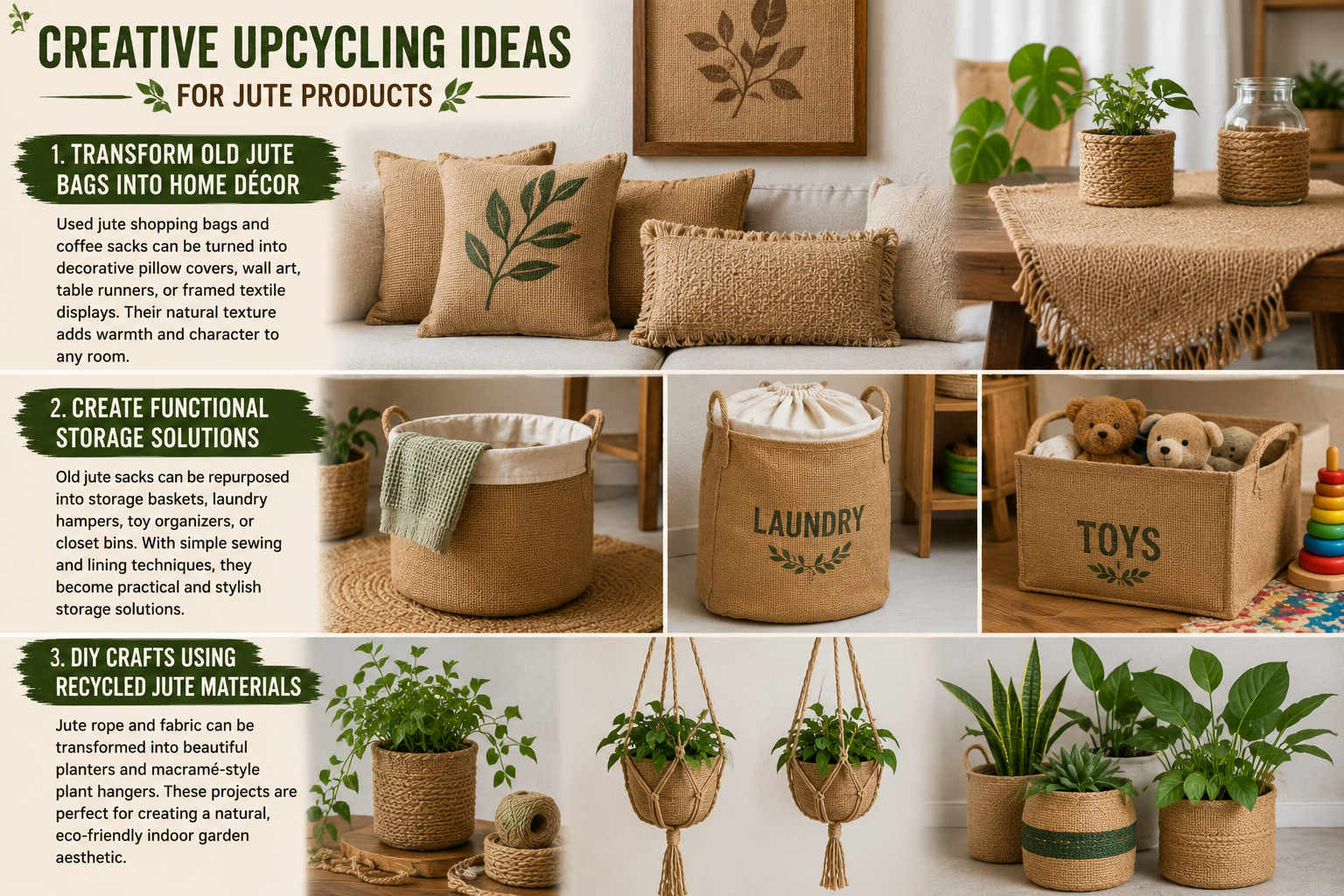
Used jute shopping bags and coffee sacks can be turned into decorative pillow covers, wall art, table runners, or framed textile displays. Their natural texture adds warmth and character to any room.
Create Functional Storage Solutions
Old jute sacks can be repurposed into storage baskets, laundry hampers, toy organizers, or closet bins. With simple sewing and lining techniques, they become practical and stylish storage solutions.
DIY Crafts Using Recycled Jute Materials
Handmade Planters and Plant Hangers
Jute rope and fabric can be transformed into beautiful planters and macramé-style plant hangers. These projects are perfect for creating a natural, eco-friendly indoor garden aesthetic.
Jute Coasters, Mats, and Table Accessories
Leftover jute rope can be braided or coiled into coasters, placemats, and decorative trays. These simple projects require minimal materials and add rustic charm to dining and living spaces.
Environmental Benefits of Upcycling Jute
Reducing Waste and Landfill Contributions
Every jute product that is reused or repurposed helps reduce waste generation. Upcycling prevents materials from being discarded prematurely and minimizes environmental impact.
Lowering Resource Consumption
By extending the life of existing jute products, consumers reduce the need for new raw materials, manufacturing processes, and transportation resources, helping lower overall carbon emissions.
Tips for Successful Jute Upcycling Projects
Proper Cleaning and Preparation
Before starting any project, clean and dry jute materials thoroughly. Remove dirt, dust, and odors to ensure the finished product looks professional and lasts longer.
Combining Jute with Other Sustainable Materials
Jute pairs beautifully with wood, cotton, bamboo, leather, and recycled metals. Combining these materials creates unique, durable, and environmentally friendly designs.
Conclusion
Upcycling with jute is a simple yet powerful way to reduce waste while creating beautiful, functional products. From decorative home accents and storage solutions to DIY crafts and garden accessories, the possibilities are nearly endless. As more consumers embrace sustainable living, repurposing jute materials offers an affordable and environmentally responsible way to contribute to a greener future. By giving old jute products a second life, you not only save money but also support a more sustainable and circular economy.