 Jun 02, 2026 - 0
Minutes read
Jun 02, 2026 - 0
Minutes read
Why Jute Is Making a Green Comeback in Fashion and Home Goods
Supply-Chain and Ethical Considerations
Why Jute Is Making a Green Comeback in Fashion and Home Goods
Sustainability is no longer a niche trend; it's a decisive factor shaping consumer choices, product design, and supply-chain strategy. Among natural fibers, jute is reclaiming attention. Once primarily associated with coarse sacks and industrial uses, jute is evolving into a versatile, eco-friendly material embraced by fashion designers, home-goods makers, and sustainable brands. This article explores why jute is making a green comeback, covering its environmental profile, practical advantages, recent innovations, design appeal, market trends, sourcing considerations, and tips for consumers and businesses in the USA.
Why Jute? A Quick Overview
Jute is a bast fiber obtained from the inner bark of Corchorus plants, mainly grown in South Asia. Known historically as the “golden fiber,” jute is fast-growing, biodegradable, and low-input compared with many crops. Its intrinsic properties, strength, texture, and earthy tone make it suitable for a wide range of products, from rugs and bags to composites and upholstery accents. Recent improvements in processing and finishing, plus shifting consumer priorities, are expanding jute’s role beyond utilitarian uses into desirable, sustainable lifestyle products.
Environmental Advantages Driving Jute’s Resurgence
Renewable and Fast-Growing
Jute matures in roughly 3–6 months, allowing multiple crop cycles per year in suitable climates. This rapid growth rate makes it a highly renewable raw material, reducing pressure on land compared with slower-growing alternatives used in some industries.
Low Agrochemical Inputs
Compared with cotton and many industrial crops, jute generally requires less pesticide and fertilizer when grown under traditional, smallholder practices. Lower chemical inputs reduce environmental risks and production costs and can improve the sustainability story for brands.
Carbon Sequestration and Soil Health
Jute plants have substantial biomass and root structures that help sequester carbon and contribute organic matter to the soil. When used in crop rotations, jute can improve soil structure and fertility, supporting agroecological resilience in producing regions.
Biodegradability and End-of-Life Benefits
Unlike synthetic materials that persist in landfills and release microplastics, jute naturally decomposes under composting conditions. For brands looking to reduce end-of-life impacts and enable circular solutions, jute offers a distinct advantage.
Potential for Cleaner Processing
Historically, one environmental concern with jute was water pollution from traditional retting practices. Innovations such as microbial or enzymatic retting, closed-loop water systems, and tank-based retting are reducing effluent problems and making jute production cleaner and more scalable for export markets.
Design and Aesthetic Appeal: Why Designers Love Jute
Texture and Visual Warmth
Jute’s natural, tactile texture contributes rustic warmth and organic character to products. In home décor, it adds depth to modern, boho, coastal, and industrial aesthetics. Designers use jute rugs, wall coverings, lampshades, and upholstery accents to infuse spaces with tactile contrast.
Structure and Durability
Jute’s stiffness and tensile strength make it ideal for structured items—tote bags that hold their shape, baskets, mats, and furniture backings. This structural quality is attractive for accessories and home goods where form retention is desirable.
Suitability for Blends and Finishes
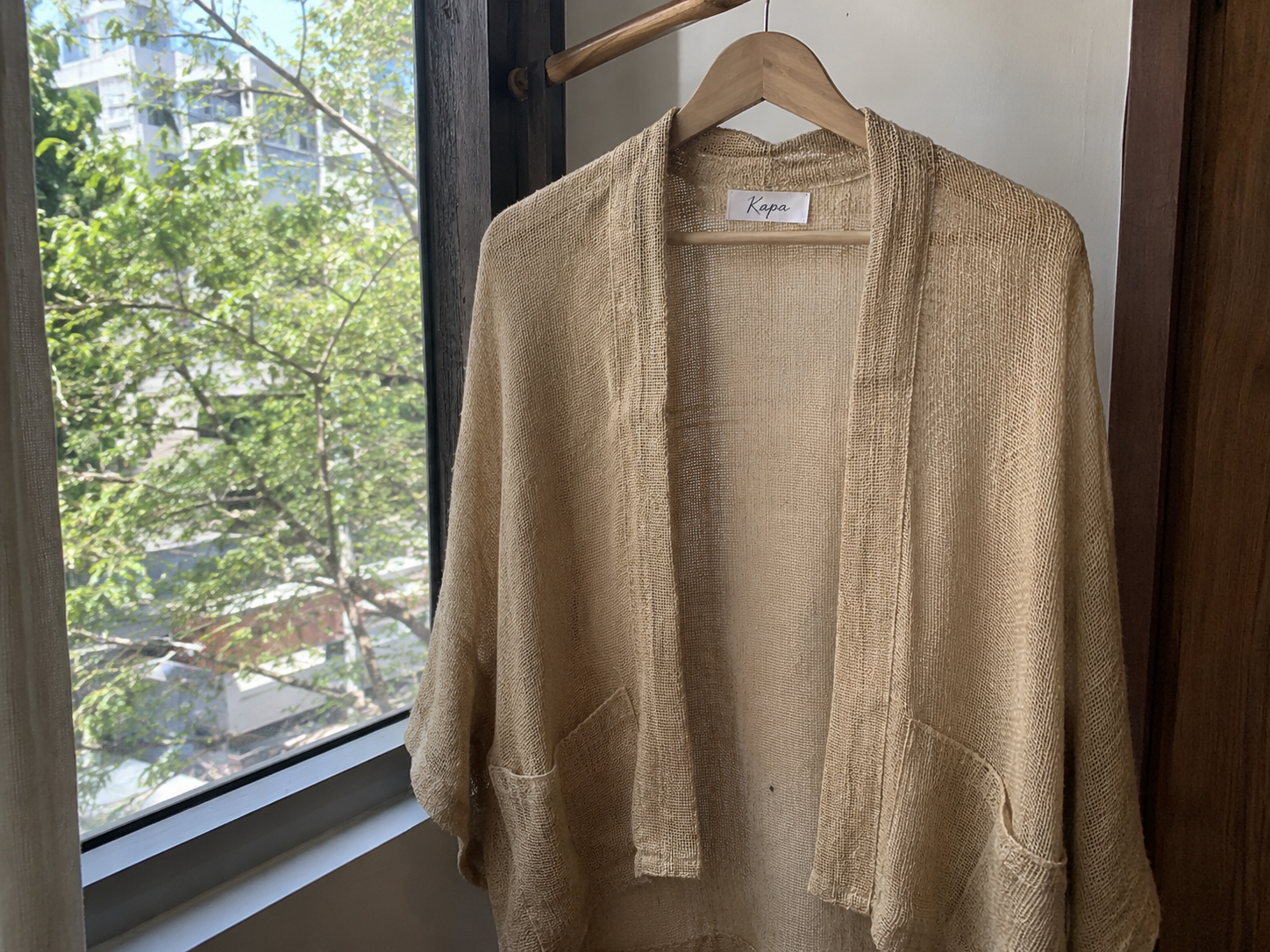
Modern textile manufacturing enables jute to be blended with cotton, silk, hemp, or recycled polyester to soften the feel and improve drape. Dyes, softening treatments, and finishing technologies have expanded jute’s range beyond coarse burlap to more polished, consumer-friendly applications.
Natural Color Palette
Jute’s natural tones—beige, golden-brown—fit today’s preference for muted, earthy palettes. Natural dyes and gentle color treatments can enhance the fiber without masking its organic character.
Functional Advantages for Fashion and Home Goods
Affordable Sustainability
Jute is generally cost-competitive against higher-end natural fibers while delivering sustainability credentials. For brands balancing margin and green claims, jute can be an accessible substitute or complement to more expensive materials.
Versatility Across Product Categories
Jute works for diverse applications: market and fashion totes, structured sandals and espadrilles, area rugs, runners, placemats, lampshades, storage baskets, and even furniture panels when used in composites.
Tactile Complement to Modern Textiles
Designers use jute to add contrast to smooth textiles such as linen or silk. In interiors, a jute rug anchors a room while providing a natural counterpoint to soft upholstery.
Durability Where It Matters
While jute is not suited for all wearables, it excels in uses where abrasion resistance and structure are key. Properly woven and finished jute rugs and bags are long-lasting, low-maintenance alternatives for everyday household and accessory uses.
How ISTIAK Jutes Is Driving the Change
Bringing Eco-Friendly Products to the Market
ISTIAK Jutes is committed to promoting sustainable living by providing high-quality jute products that help reduce plastic pollution. Through innovative designs and environmentally responsible manufacturing, ISTIAK Jutes is making natural, reusable, and biodegradable alternatives more accessible to consumers worldwide.
Market Momentum: Why Brands and Retailers Are Embracing Jute Now
Consumer Demand for Transparency and Sustainability

American consumers increasingly seek products with clear environmental and social benefits. Jute’s story—renewable, biodegradable, and capable of supporting rural livelihoods—resonates with ethical shoppers, particularly when paired with verifiable supply-chain transparency.
Regulatory and Retail Pressure on Single-Use Plastics
Retailers and regulators are pushing for reductions in plastic packaging and non-biodegradable materials. Jute provides a compelling alternative for packaging, produce bags, and promotional items.
Circularity and Brand Differentiation
Brands focusing on circularity value jute for its compostability and recyclability in certain product designs. For small and emerging brands, jute offers a point of differentiation in crowded markets.
Global Trade and Sourcing Improvements
Improved processing, finishing, and logistics in producing countries make it easier for U.S. companies to source consistent-quality jute products. Supply-chain partnerships and certification programs have also matured, making responsible sourcing more accessible.
Innovations Expanding Jute’s Use Cases
Improved Retting Techniques
Enzymatic and microbial retting processes reduce water pollution and improve fiber quality. Controlled tank retting and effluent treatment innovations make jute production more compatible with export-quality standards.
Blended Textiles and Softened Finishes
Blending jute with cotton or regenerated fibers and using modern finishers creates fabrics suitable for apparel and interior textiles that formerly would have been too coarse.
Bio-based Composites
Engineers are incorporating jute into bio-resins for lightweight panels in automotive and building applications. These composites capitalize on jute’s strength while delivering lower embodied carbon than synthetic reinforcements.
Recycling and Upcycling Models
Brands and artisans upcycle jute sacks and industrial remnants into high-value products—bag collections, patchwork rugs, and artisanal home goods—supporting circular economy narratives.
Labor Conditions and Community Impact
Jute production provides livelihoods to millions of smallholder farmers and workers in Bangladesh, India, and other producing regions. Ensuring fair wages, safe working conditions, and community investment is essential to the ethical appeal of jute products.
Certifications and Traceability
Certifications like Fair Trade, OEKO-TEX, and supply-chain traceability systems strengthen consumer confidence. Brands should prioritize verifiable claims and work with mills that can demonstrate responsible agricultural and processing practices.
Environmental Trade-offs to Manage
While jute has strong sustainability benefits, challenges such as retting pollution, chemical finishes, and transport emissions must be managed. Choosing suppliers that use low-impact finishes, closed-loop processing, and local treatment solutions mitigates these trade-offs.
Quality Control and Consistency
Natural fibers vary with growing conditions and processing. Brands must implement quality-control checks—testing tensile strength, colorfastness, and weave density—to meet consumer expectations for consistency.
Practical Buying and Sourcing Guide for U.S. Brands
Define Intended Use and Specs
Start with a product use-case: indoor rug, structured tote, lampshade, or composited panel. Define required weave density, tensile strength, colorfastness, and finish tolerance.
Vet Suppliers Thoroughly
Request mill audits, material samples, and data on retting and finishing methods. Ask for certifications and proof of social-compliance programs.
Request Lab Testing
Use third-party testing to verify tensile strength, pH of finishes, heavy-metal content in dyes, and laundering/spot-cleaning tolerance.
Prioritize Transparent Pricing and Lead Times
Sourcing from South Asia involves longer lead times and sea freight. Build lead time buffers, and ask suppliers for clear pricing that includes finishing and packaging to avoid surprises.
Consider Blends and Finish Options
If product softness is essential, work with mills to develop jute blends (jute-cotton, jute-modal, etc.) or apply softening and dyeing protocols that retain jute’s character while improving wearability.
Consumer Guide: How to Buy and Care for Jute Products
Buying tips
Check construction: tight weave and reinforced seams matter for long-term durability.
Look for certifications or clear supplier transparency for ethical and environmental claims.
For rugs, consider backing and underlay; for bags, check hardware and stitching points.
Ask about finishes if you need outdoor suitability or water resistance.
Care and maintenance
Vacuum regularly to remove grit and debris.
Blot spills immediately—do not scrub. Spot-clean with mild soap and cool water; air dry thoroughly.
Avoid prolonged moisture and high humidity to prevent mildew.
Rotate rugs in high-traffic areas to distribute wear.
For jute bags, avoid machine washing unless the manufacturer's guidance permits machine care.
Common Misconceptions About Jute
“Jute is only for sacks and rough uses.” Modern processing and blending make jute suitable for attractive, high-quality consumer goods.
“Jute is worse for the environment than synthetics because it requires water.” While retting historically caused pollution, new retting technologies and effluent treatments dramatically reduce water impacts. Overall, biodegradability and low agrochemical inputs generally make jute a lower-footprint choice than persistent synthetics.
“Jute products can’t be stylish.” Contemporary design trends embrace natural textures; jute now complements modern, minimalist, boho, and rustic aesthetics.
Case Studies: Brands Using Jute Successfully
Fashion labels integrating jute totes and espadrilles have positioned them as seasonal capsule pieces that emphasize sustainable materials while maintaining contemporary styling.
Home-goods brands using jute rugs and woven wall coverings highlight the fiber’s texture and carbon benefits in marketing materials, often pairing products with care guides and repair options to extend life.
Packaging companies supplying jute produce bags and coffee sacks have leveraged the fiber’s compostability to appeal to zero-waste retailers and specialty food brands.
Economic and Social Benefits for Producing Communities
Investing in jute has a strong social dimension. In Bangladesh and parts of India, jute supports rural employment, skill preservation, and small-farm economies. Responsible sourcing can thus contribute to poverty reduction, gender-equitable labor opportunities, and local enterprise development—narratives shoppers increasingly value.
Barriers and How the Industry Is Addressing Them
Retting Pollution: Addressed through tank-based retting, microbial methods, and treatment plants.
Variability in Quality: Improved processing standards, mill investments, and supplier partnerships improve consistency.
Perception and Aesthetic Limits: Designer collaborations and blended textiles demonstrate jute’s capability for attractive consumer products.
Logistics and Lead Times: Streamlined supply chains and long-term vendor relationships help brands manage timelines and inventory risks.
Future Prospects: What’s Next for Jute?
Broader Use in Composites: As bio-resins and technical processing mature, expect more automotive and construction components to incorporate jute.
Higher-Value Fashion Applications: With blending and finishing advances, jute may appear in more apparel lines, especially structured items and accessories.
Circular Business Models: Rental, repair, take-back, and upcycling initiatives involving jute products will grow as brands pursue circularity.
Policy and Retail Shifts: Bans on certain single-use plastics and retailer sustainability targets will drive demand for biodegradable alternatives like jute.